
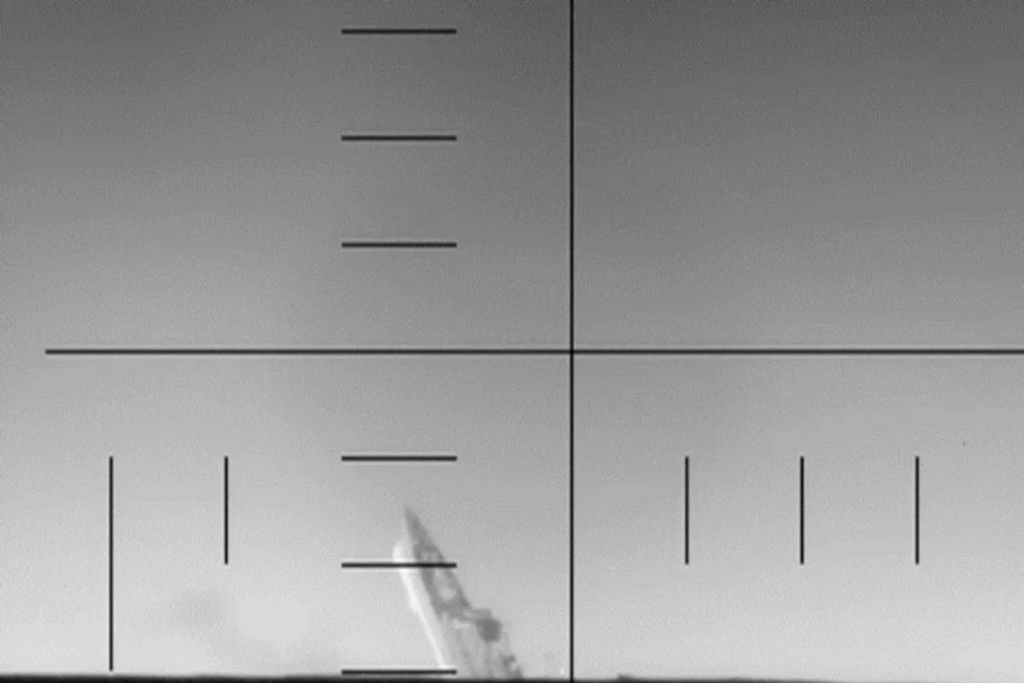
“Quiet Death”: US Submarine Torpedoes Iranian Frigate in Historic Indian Ocean Strike
WASHINGTON — In a major escalation of the ongoing Middle East conflict, a United States Navy attack submarine has successfully torpedoed and sunk an Iranian warship off the southern coast of Sri Lanka. U.S. Defense Secretary Pete Hegseth officially confirmed the unprecedented underwater strike on Wednesday, March 4, 2026, marking a historic shift in modern naval warfare.
The destroyed vessel, identified as the Islamic Republic of Iran Navy frigate IRIS Dena, sank rapidly in the Indian Ocean, leaving over 80 sailors dead and dozens more missing as international rescue operations continue.
The “Quiet Death” Strike
Speaking from the Pentagon on Wednesday morning, Secretary Hegseth detailed the lethal precision of the attack, describing it as a demonstration of America’s unchecked global military reach.
The Weapon: A U.S. fast-attack submarine fired a single Mk 48 heavyweight torpedo, striking the hull of the IRIS Dena well below the waterline and causing a catastrophic explosion.
Historic Milestone: Hegseth noted the historical weight of the operation. “An American submarine sunk an Iranian warship that thought it was safe in international waters,” he stated. “Instead, it was sunk by a torpedo, quiet death—the first sinking of an enemy ship by a torpedo since World War II.”
The Target: The IRIS Dena, a modern Moudge-class frigate carrying roughly 180 crew members, was heavily armed with anti-ship missiles, surface-to-air missiles, and torpedo launchers. Security analysts note the ship was likely returning to Iran after participating in an international fleet review hosted by India last month.
Casualties and Desperate Rescue Efforts
The sinking triggered an immediate and frantic search-and-rescue mission by the Sri Lankan Navy and Air Force, who received a distress call from the crippled frigate just after 5:00 a.m. local time.
By the time Sri Lankan rescue vessels arrived at the coordinates—approximately 40 nautical miles off the coastal city of Galle—the warship had completely vanished beneath the surface, leaving behind only an oil slick, scattered life rafts, and sailors fighting to stay afloat.
The Survivors: Sri Lankan forces successfully pulled 32 injured Iranian sailors from the water. Emergency responders rushed the survivors to the Karapitiya Teaching Hospital in Galle, where several remain in critical condition.
The Death Toll: Sri Lanka’s deputy defense minister confirmed that recovery teams have already pulled 87 bodies from the ocean. With over 60 sailors still officially unaccounted for, authorities warn that the window for finding more survivors is rapidly closing.
A Widening Global Conflict
This unprecedented submarine attack underscores the rapid, violent expansion of “Operation Epic Fury,” the joint U.S.-Israeli military campaign launched against the Iranian regime over the weekend.
U.S. military leadership confirmed that the destruction of the Iranian Navy remains a primary objective of the campaign. General Dan Caine, Chairman of the Joint Chiefs of Staff, revealed that U.S. forces have already neutralized over 20 Iranian naval vessels since the conflict began.
The sinking of the IRIS Dena far outside the Middle East theater signals that the conflict has officially spilled into the broader international waters of the Indian Ocean, raising immediate alarms for global maritime shipping and security.