UNGA 2026: When the Canyons reach our doorstep, by Dakuku Peterside
The real test of a United Nations speech begins on the journey home. The cameras are gone; the promises must find their way into decisions, budgets, and difficult conversations. Nigeria spoke at the 2026 General Assembly. What will it do with the words it carried to New York? On 22 September, António Guterres warned that the world’s cracks had become canyons. War, inequality, and mistrust were straining institutions designed for another age. In his final opening address to the General Debate as Secretary-General, he called for cooperation and reform. His warning was not an admission that the United Nations had failed beyond repair. It challenged governments that still claim to believe in collective action.
Two days later, Vice President Kashim Shettima spoke for Nigeria. He addressed Sudan and the Sahel and pressed for Security Council reform. Nigeria was represented, and its case was heard. Yet President Bola Tinubu’s absence deserves scrutiny. He has missed three consecutive General Assemblies, sending Shettima in 2024, 2025, and 2026. The Vice President can conduct serious diplomacy, but presidential presence offers direct access to counterparts and the authority to settle matters that may exceed a deputy’s brief. Abuja should explain what it gained by delegating and which opportunities required presidential follow-up. The cost of absence cannot simply be assumed; neither should the decision escape examination.
Guterres called the lack of permanent African seats on the Security Council unjust and indefensible. The African Union seeks at least two. Nigeria’s ambition for one gains force from that collective demand, but it cannot claim a seat on the strength of population or rhetoric. It requires African consensus and confidence in Nigeria’s ability to shoulder responsibilities beyond its borders. Influence abroad rests partly on what neighbours experience at home: a partner that listens, mediates, and keeps its commitments.
Sudan tests that claim. Its war has displaced millions and made survival precarious. Nigeria should support sustained diplomacy, humanitarian access, and pressure on those who prolong the fighting. African leadership is essential, while outside actors retain their own responsibilities. The people of Sudan must not become a passing paragraph in an annual speech. Abuja should say which partners it will work with and what action it will pursue after the assembly disperses.
The Sahel is closer still. Mali, Burkina Faso, and Niger have broken with ECOWAS, yet threats cross borders no government can police alone. Nigeria should keep practical channels open for intelligence, border management, trade, and humanitarian access. Political disagreement need not prevent cooperation that protects ordinary people. Rebuilding trust will demand patience, not a display of regional authority from a distant podium.
At home, soldiers and security personnel confront armed groups at grave risk. Their work is necessary, but a security gain will not endure without justice for victims, credible local government, functioning schools, and opportunities beyond violence. A community cannot be ordered to trust a state that appears only in an armoured vehicle. The call for diplomacy abroad should be matched by political settlement and fair governance at home.
Global disorder also arrives through prices. War can disrupt shipping and raise the cost of wheat, fertiliser, and fuel inputs. Higher crude prices may improve export receipts even as households face dearer food and transport. The effects are not automatic, but Nigeria remains exposed through oil earnings and essential imports. Economic resilience means stronger production, broader revenue, and less vulnerability to shocks beyond its control.
Diplomatic credibility is built from these domestic choices. A country confronting insecurity, poverty, and a punishing cost of living can still argue for a fairer world, but its claim carries greater weight when citizens can see progress. The authority Nigeria seeks abroad must be earned through service at home.
Five tasks follow. Send lean delegations with clear briefs, led by the President when direct negotiation matters. Repair working ties with Sahel neighbours. Match security operations with justice and opportunity. Diversify earnings and reduce dependence on vulnerable imports. Work with major powers where interests align without becoming captive to any of them. These are commitments to be assigned and tested, not slogans for another communiqué.
Within weeks, the government should publish the delegation’s cost, substantive meetings, commitments, responsible officials, and follow-up dates. Confidential negotiations can remain private while their objectives and public milestones are stated. If a request fails, say why and what comes next. An honest account would give citizens a better measure than photographs or applause. Guterres’s canyons will not close after one summit. Nigeria has spoken for reform, peace, and African dignity. Its next speech in New York should begin with evidence of what has been done since leaving.
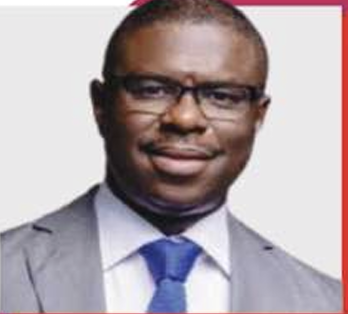
*Dr Peterside, a leadership and management expert, is the author of Leading in a Storm.
The post UNGA 2026: When the Canyons reach our doorstep, by Dakuku Peterside appeared first on Vanguard News.