
UK warns citizens against travel to 28 Nigerian states over terrorism, kidnap risk
By Nkiruka Nnorom
The United Kingdom government has warned its citizens intending to visit Nigeria against all travel to 11 states and parts of the country, citing rising insecurity, terrorism, kidnapping and intercommunal violence.
It also warned its citizens against “all but essential travel” to 17 other states and the Federal Capital Territory, and said they should exercise caution when traveling in Lagos, particularly on the mainland, “which attracts high levels of crime and where security levels can be unpredictable.”
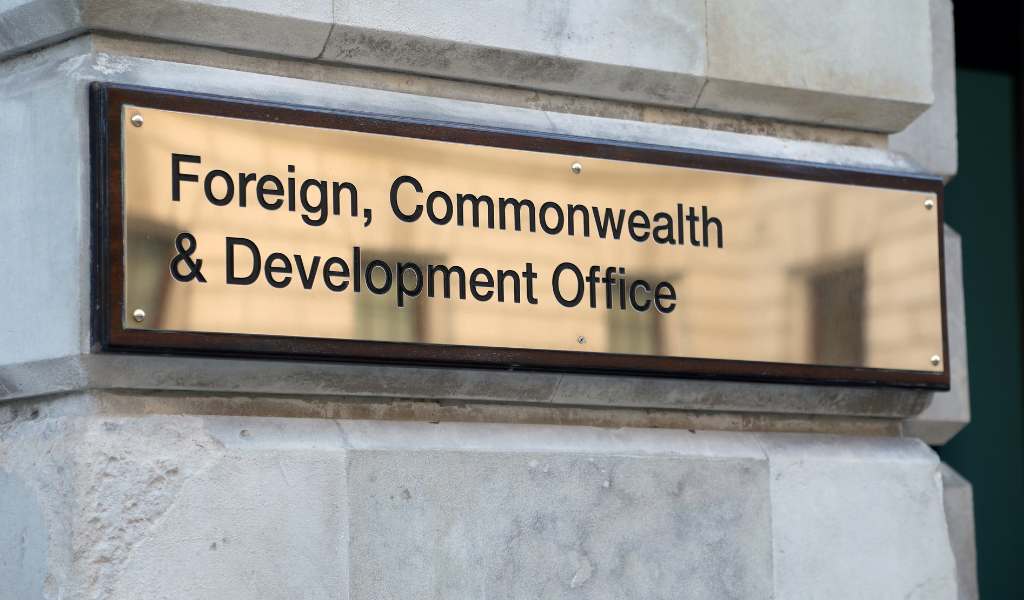
In its latest travel advisory yesterday, the UK Foreign, Commonwealth & Development Office, FCDO, said insecurity was increasing across Nigeria, adding that violent crime, kidnapping and intercommunal clashes occur throughout all regions.
The advisory comes amid fresh concerns over attacks in the Middle Belt and continued operations by Boko Haram and Islamic State West Africa, ISWAP, in the North East and certain parts of the country.
It listed potential targets, including places of worship, markets, malls, hotels, bars, restaurants, schools, government buildings, transport hubs, and large gatherings. The FCDO urged extra caution during elections, religious periods and public holidays.
Specifically, the FCDO advised British nationals to avoid traveling to Borno, Yobe, Adamawa and Gombe States in the North East; Katsina and Zamfara States in the North West; and the riverine areas of Delta, Bayelsa, Rivers, Akwa Ibom and Cross River States.
The FCDO defined riverine areas as “river and swamp locations accessible by boat, but not by road.”
In the North East, the FCDO said there is a “high and increasing threat from Boko Haram or Islamic State West Africa, particularly around transport hubs, religious areas and large gatherings.” It warned that humanitarian personnel, vehicles and infrastructure could be targeted, while regular military operations in Adamawa, Borno and Yobe could raise the risk of retaliatory attacks.
In the North West, it cited frequent banditry, violent attacks and a “high threat of kidnap.” It also noted that trains remained vulnerable to attack, while in the Niger Delta, the FCDO said militant groups remained active and have carried out attacks on oil and gas infrastructure, with a “high risk of armed robbery, criminality and kidnap.”
The UK also advised against all but essential travel to Bauchi, Kaduna, Kano, Kebbi, Jigawa, Sokoto, Niger, Kogi, Plateau, Taraba, Kwara, Benue States and Abuja suburbs.
Other states where it advised essential trips include Abia State, and non-riverine areas of Delta, Bayelsa and Rivers States, Anambra and Imo States
The advisory specifically flagged the Federal Capital Territory, saying that the outer suburbs of Abuja were prone to varying levels of violence and that violent crime involving firearms had increased and spread from the outer suburbs to more central, wealthier areas. It warned British government staff in Nigeria to restrict travel to an area broadly within the Abuja metropolitan area.
It also noted recent increases in intercommunal violence in Benue and Kwara States “with a number of deaths reported,” and warned of protests in Abuja that “can turn violent.”
In the South East, the FCDO said secessionist groups were active and that attacks and clashes with security forces often occurred. It added that in Imo State there was an emerging trend of secessionist groups using improvised explosive devices, though the overall number remains low.
The UK said terrorists were very likely to try to carry out attacks in Nigeria, with the primary threat coming from ISWAP and Boko Haram, based mainly in Borno, Yobe and Adamawa.
However, it noted that since 2021, attacks likely associated with terrorist groups have also occurred in Gombe, Niger, Kaduna, Kogi, Bauchi, Ondo, Zamfara, Taraba, Jigawa, Sokoto, Edo, Kano and the FCT.
On kidnapping, the advisory said the crime is “widespread across Nigeria” but “particularly severe in the northwest,” including Zamfara, Katsina, Kaduna, Borno and Sokoto. It is also “high in many central and southern states” including Niger, Kogi, Kwara and the FCT.
Criminal groups, it said, stop vehicles on major highways such as the Abuja-Kaduna highway and the Enugu-Awka-Onitsha expressway. British nationals of Nigerian origin visiting family and expatriates working for international firms were listed as possible targets because of their perceived access to funds.
The FCDO warned against night travel, especially in North Central Nigeria. It said road conditions were poor, driving standards low, and fatalities high. In Lagos, it cited street crime, mugging, carjacking and armed robbery as common, particularly on the mainland.
It also flagged illegal vehicle checkpoints on major northern routes, including the Maiduguri-Damaturu road, and piracy and armed robbery in Nigerian waters and the Niger Delta.
FCDO urged UK citizens to avoid demonstrations, monitor local media, vary travel patterns, travel only in daylight where possible, and keep emergency and extraction plans updated.
The post UK warns citizens against travel to 28 Nigerian states over terrorism, kidnap risk appeared first on Vanguard News.