UK, Nigeria deepen collaboration on AI governance, digital transformation
By Juliet Umeh
The United Kingdom and Nigeria have strengthened their collaboration on artificial intelligence governance and digital transformation, following a series of engagements involving the British Standards Institution, BSI, and Nigerian government agencies.
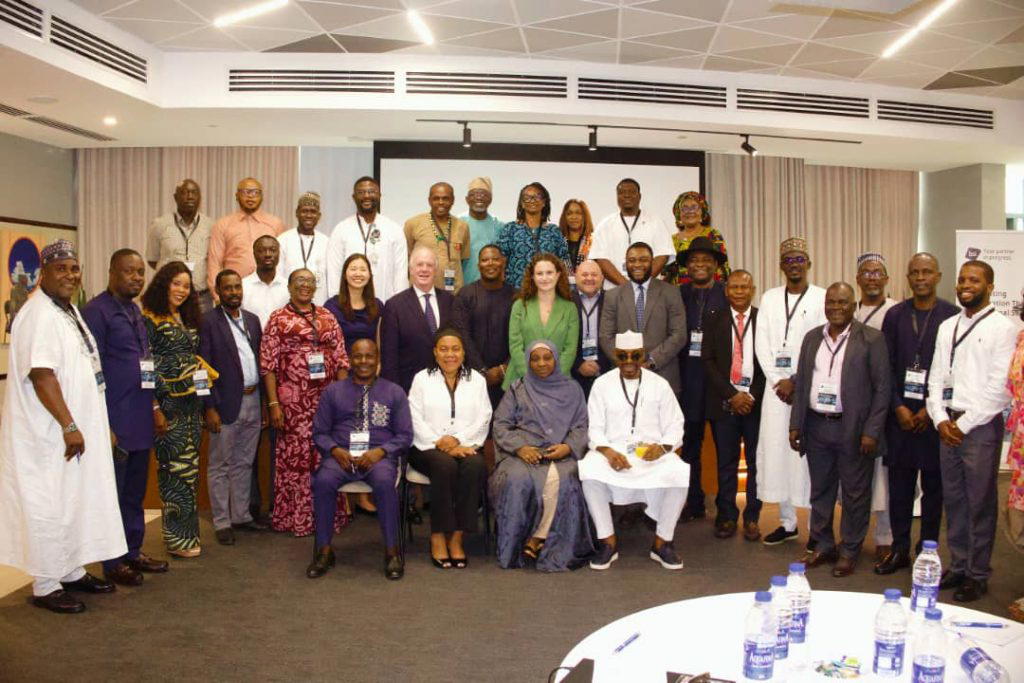
The engagements included an Executive Workshop on AI Governance and Standards, delivered by BSI in partnership with the National Centre for Artificial Intelligence and Robotics, NCAIR, under the UK Government’s Digital Access Programme.
The workshop brought together senior government officials, regulators and technology practitioners to examine how internationally recognised standards can support responsible AI adoption, risk management and oversight in Nigeria.
Participants considered standards including ISO/IEC 42001 for AI management systems and ISO/IEC 23894 for AI risk management, as well as approaches to accountability and assurance.
The programme culminated in a reception in Abuja attended by policymakers, regulators, standards experts, industry representatives and development partners.
Speaking at the event, First Secretary for Economic Partnerships and Digital at the British High Commission, Grace Bell, said AI offered significant opportunities but required strong governance.
“Artificial Intelligence presents enormous opportunities for economic growth, innovation and social development. However, realising these benefits requires the right governance frameworks, strong institutions and trusted standards that can underpin safe, secure and responsible adoption,” she said.
Bell said the UK was proud to support Nigeria’s digital transformation agenda, adding that its work with BSI, the National Information Technology Development Agency, NITDA, the Standards Organisation of Nigeria, SON, and the Federal Ministry of Communications, Innovation and Digital Economy reflected a shared commitment to standards-led growth.
“Standards are not simply technical tools; they are strategic enablers of innovation, investment, trade and public trust,” she said.
“By aligning around internationally recognised standards, we can help create the conditions for sustainable digital growth and unlock greater opportunities for businesses, governments and citizens.”
She said the partnership had expanded to cover digital trade, AI governance, digital public infrastructure, cybersecurity and data protection, with scope for further cooperation on electronic waste management and e-health.
Speaking on behalf of the Nigerian Government, National Coordinator of NCAIR, Dr Olubunmi Ajala, said the collaboration had helped build institutional capacity for AI governance.
“Together, we have moved beyond theoretical conversations about emerging technology to build genuine, sovereign institutional capacity,” he said, calling for a permanent cross-government Community of Practice.
Officials who completed the workshop were recognised at the close-out event held at the Afreximbank Trade Centre.
The visit also included engagements with the National Environmental Standards and Regulations Enforcement Agency, NESREA, and the Foreign, Commonwealth and Development Office’s Climate Finance team to assess electronic waste management models and explore ways to deepen cooperation on digital trade standards.
The British High Commission said the UK would continue to work with BSI and Nigerian institutions to promote standards that support trust, cybersecurity, data governance and interoperability across the digital economy.
It said the partnership aimed to help translate Nigeria’s policy ambitions into practical action as the country develops its AI ecosystem and expands digital services.
The post UK, Nigeria deepen collaboration on AI governance, digital transformation appeared first on Vanguard News.