
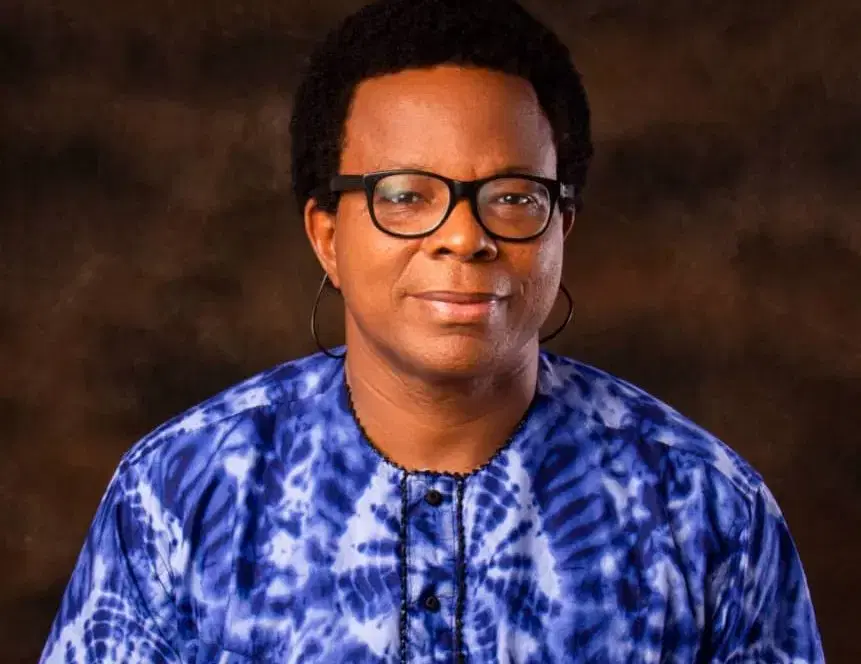
Tinubu can’t handle insecurity: Why does he want another term? By Ugoji Egbujo
A nation that conscripts its graduates cannot lose them on a federal highway, allow exchange of ransom, and call the aftermath a rescue.
A few days ago, thirty prospective corps members left Oyo for the East. Twenty were taken near Owerri, on the Owerri–Onitsha road at Umunoha. Ten escaped. The local people who witnessed the abduction could not stand the apathy of the security agencies, so they blocked the road to force a chase. The situation borders on hopeless.
When the police woke from their slumber, they announced that their drones had located the hostages and their abductors. The impression sold to the public was that they had them surrounded. Perhaps the corps members would be luckier than the Chibok girls, who were taken away without the government knowing which way the terrorists went with them. The Owerri police said they could not immediately extract the hostages because the area was mined. The story did not instill any hope. The nation listened with resignation.
Youth corps members are supposed to be the babies of the federal government. The government cannot conscript youths into a compulsory national service in far-flung places and fail to protect them. The mass abduction of citizens, let alone corps members, should provoke any responsible government. But perhaps not a government that cares more about optics than substance, about politics and retaining power than purposeful leadership. The real tragedy is that the government has lost sense of shame .
A few days after the kidnap, the government announced triumphantly that it had rescued the corps members, crediting the rescue to the joint security team and emphasizing that no ransom was paid. While the government was basking in glory, pictures emerged of the abducted, frazzled corps members moving furtively on a village street, all alone. Could they have been rescued and allowed to walk bush paths?
The parents then went on television. They had scraped, borrowed, and paid. The demand opened at ₦50 million a head and was bargained down to about ₦5 million or ₦6 million, some of it in dollars. The government that said it was watching captives and captors by drone had not noticed the families negotiating, gathering the money, and flying to Owerri to deliver it. It had not seen the captives leave. The Imo commissioner of police says he is not aware of any ransom. Claiming a rescue while the people who paid are on television is worse than silence. It is complicity.
Orire followed the same script. Only with a worse ending. Forty-four pupils and teachers were taken from Oriire in Oyo on 15 May and held for fifty-six days. The presidency said security forces rescued them, arrested eight, killed some, and paid no ransom. A surviving teacher, Zaccheaus Olatunde, told a different story. Two teachers were killed . Sone negotiation happened. No fighting took place. The survivors were shown the way home. No public accounting has yet matched the official version to a captured camp. Yet another ‘miraculous’ release passed off as military rescue .
The terrorists who carried out the Orire abduction are not ghosts. The Oyo government insinuated as much. In the case of Owerri, two species of bandits operate in the neighbourhood where the kidnapping happened. Unknown gunmen have a camp and control the left side heading into Owerri, while rogue Fulani herdsmen operate in the forest on the right side. The security agencies are aware of the presence and identity of these groups. The Governor of Zamafara said the same thing. That was why the local people at Uumnoha went irate when the corps members were abducted and the agencies hesitated to give an immediate chase. What exactly is Tinubu’s strategy against the rampaging insecurity?
What, then, is the strategy? Mass kidnapping is now followed by a release, and the release is claimed as a rescue. The exchanges are mediated by ransoms. Kidnappers keep the money and the camp. Security agencies have not learned hostage work, and the public is asked to applaud a story the payers have already contradicted. A trade conducted on those terms can only fatten the crime. Ransom is not rescue. The scourge is festering.
Recently it was reported that NNPC booked ₦11.2 trillion as receivables from the federation for advances and the cost of protecting oil and gas assets. We pay local mercenaries and shadowy folks ungodly sums to do the basic work of the police and the military, which are massively underequipped and miserably understaffed. Why have we made being an outlaw so rewarding? Why is the nation-state so weak? We cant live by random ransoms.
Tinubu’s first tenure has been marred by insecurity. But Tinubu wants a second term even though he has no clue how to tackle it. Nothing in the first term shows a strategy. Mass abduction, a week of tales, a release, a denial of ransom, no convictions: that is the operating model.
Tinubu met this model. He has not broken it. The South-east unknown gunmen and north-west bandits are known to local security agencies. But they are not cleared. The police are too thin for the territory. The army is spread across internal duties it was not built for. The pipelines are hired out to mercenaries who are paid hundreds of billions and who it appears are helping the reelection effort. What new idea has Tinubu got?
Tinubu wants a second term anyway. Nothing in the first has shown a plan that would make the second different. Kidnappers cannot keep walking away with the ransoms while the government blows its trumpets. What, exactly, would he come back to do?
The post Tinubu can’t handle insecurity: Why does he want another term? By Ugoji Egbujo appeared first on Vanguard News.