
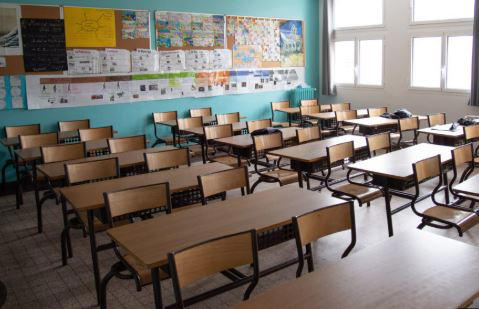
School resumption amid mounting insecurity
As the 2026/2027 school session begins across Nigeria, millions of parents face the familiar burdens of school fees, uniforms, books and transport. But for many, especially in conflict-prone communities, there is a more frightening question: will their children return home safely each day? The school, once regarded as a sanctuary of learning and hope, has increasingly become a target for terrorists and armed criminals whose abductions are traumatising families and threatening the future of education.
The latest situation in Borno State is particularly disturbing. In Askira-Uba Local Government Area, about 80 pupils abducted during attacks on schools in Mussa and Lassa in May and June 2026 remain in captivity, according to local education authorities. Only 56 of the area’s 113 primary schools are currently functioning, with 57 shut because of insecurity. Some of the abducted children have now spent more than 100 days in captivity.
The danger is not confined to the North-East. Schoolchildren in other parts of the country have also been targeted, demonstrating that criminal gangs are increasingly exploiting the vulnerability of educational institutions. This grim reality threatens to reverse whatever gains Nigeria has made in expanding access to education.
Governments must therefore make school security an urgent national priority. The Safe Schools Initiative cannot remain a collection of commendable policies, committees and announcements. It must translate into visible protection. The Federal Government has announced stronger collaboration among education authorities, the Nigeria Security and Civil Defence Corps, the police, the armed forces and intelligence agencies. What is required now is effective implementation, monitoring and accountability.
Schools in vulnerable communities should have appropriate perimeter protection, controlled access, adequate lighting, emergency communication systems and clearly rehearsed evacuation procedures. More importantly, security agencies must maintain effective intelligence networks around schools and establish rapid-response arrangements with local communities. Existing school-safety intelligence and response mechanisms should be fully utilised rather than allowed to become another bureaucratic initiative.
The criminal economy behind school abductions must also be dismantled. Kidnappers, informants, financiers and other facilitators who enable these crimes must face the full weight of the law. Every successful abduction emboldens criminals, enriches their networks and erodes parents’ confidence in the school system.
Beyond the immediate security threat lies an even greater danger. Every school closed by insecurity creates room for illiteracy, child labour, exploitation, radicalisation and poverty to flourish. In communities already devastated by insurgency, prolonged school closures can produce a generation deprived of the opportunity to escape the cycle of violence and deprivation.
As classrooms reopen, therefore, governments must understand that protecting schools is an investment in Nigeria’s future. No child should have to choose between education and personal safety. The new academic year must mark a renewed national determination to ensure that Nigerian schools remain places of learning, not hunting grounds for terrorists and kidnappers.
Education must prevail over terror.
The post School resumption amid mounting insecurity appeared first on Vanguard News.