
REA flags off 18.8MW mini-grid projects to connect 125,106 Zamfara households
By Udeme Akpan
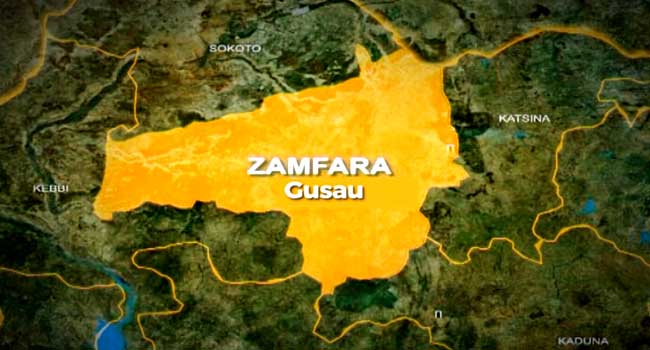
The Rural Electrification Agency (REA) has flagged off the development of 37 mini-grid projects with a combined solar generation capacity of approximately 18.8 megawatts-peak (MWp) in Zamfara State.
The projects, comprising two interconnected and 35 isolated mini-grids, are expected to connect 125,106 households across Gummi, Gusau, Kaura Namoda, Maradun, Shinkafi, Tsafe and Zurmi Local Government Areas.
The groundbreaking ceremony on Wednesday also featured the unveiling of the Zamfara State Electricity Policy and the signing of a collaboration agreement between REA and the state government for the solarisation of public institutions.
Speaking at the event, Governor Dauda Lawal described the initiatives as important steps towards building an investment-friendly electricity market and accelerating economic development.
“Today, we are taking deliberate steps to redefine Zamfara’s electricity future. The unveiling of our State Electricity Policy is a statement of our intention to build a structured, investment-friendly and sustainable electricity market,” he said.
Lawal said reliable electricity was essential for agricultural transformation, industrial development, healthcare delivery, education and job creation.
Also speaking, the Minister of Power, Chief Joseph Olasunkanmi Tegbe, said the projects demonstrated the Federal Government’s commitment to expanding electricity access through decentralised infrastructure, state-level market development and private-sector investment.
“Electricity must do more than illuminate homes. It must power hospitals, strengthen educational institutions, support agricultural productivity, enable businesses and improve the quality of public services,” Tegbe said.
He pledged continued Federal Government support for states taking practical steps to develop their electricity markets.
In his remarks, the Managing Director and Chief Executive Officer of REA, Dr. Abba Aliyu, said the intervention marked a shift from isolated infrastructure projects to an integrated electricity development model.
“Through the REA, we are advancing 37 mini-grid projects comprising two interconnected and 35 isolated systems, with approximately 18.8MWp of solar generation capacity and 125,106 planned electricity connections across seven Local Government Areas,” he said.
Aliyu estimated that the connections could potentially reach more than 625,000 people, based on an illustrative average of five persons per household-equivalent connection.
He said the initiative would support businesses, strengthen agricultural value chains, create jobs and attract private investment.
“Infrastructure without an enabling market framework risk becoming a collection of disconnected assets. When electricity infrastructure is supported by clear policies, effective institutions and predictable investment conditions, it becomes the foundation of a sustainable electricity economy,” he added.
Aliyu said the projects aligned with the $750 million World Bank-supported Distributed Access through Renewable Energy Scale-up (DARES) programme, which targets electricity access for approximately 17.5 million Nigerians through about 1,350 mini-grids and other distributed renewable energy solutions.
Meanwhile, Tegbe commissioned two solar mini-grid projects developed by the Zamfara State Government: a 1MW facility at Yariman Bakura Specialist Hospital and a 1.2MW installation at the Zamfara State Government House. Together, they have 2.2MW generation capacity and more than 3MW of battery storage.
The event also featured the unveiling of 100 electric vehicles under the ZamTaxi initiative, 10 electric tricycles for maternal healthcare transportation and two compressed natural gas buses donated by the Presidential Initiative on Compressed Natural Gas.
The post REA flags off 18.8MW mini-grid projects to connect 125,106 Zamfara households appeared first on Vanguard News.