
Ovary Syndrom: No one wants to marry a ‘diseased’ woman!
…Women living with Ovary Syndrome relive stigma, rejection, failed relationships
…Experts warn: Ignorance, poor awareness fueling discrimination, delay diagnosis
By Nnamdi Ojiego
When Polycystic Ovary Syndrome, PCOS, recently became a talking point on Nigerian X (formerly Twitter), many women watched in disbelief as some men described the condition as a “red flag” in relationships because of the assumption that it meant infertility.
For thousands of Nigerian women living with PCOS, the comments were painful, but hardly surprising. They reflected years of misinformation surrounding a condition that affects millions of women worldwide and is still poorly understood in Nigeria.
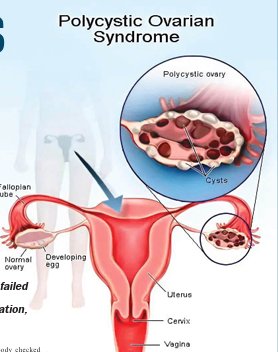
PCOS is a hormonal disorder that affects women during their reproductive years. It can cause irregular menstruation, excessive facial and body hair, acne, weight gain, ovarian cysts and fertility challenges. Yet contrary to popular belief, a diagnosis of PCOS does not automatically mean a woman cannot conceive.
According to the World Health Organization, WHO, PCOS affects about 3.4 per cent of women globally. In Nigeria, studies estimate that between 12 and 20 per cent of women of reproductive age are affected, while research published in the Open Journal of Obstetrics and Gynecology found that 13.8 per cent of Nigerian women seeking treatment for infertility have PCOS.
Behind those statistics are women whose lives have been shaped not only by the condition itself but also by misunderstanding, stigma and rejection.
Living beyond diagnosis
For medical student and PCOS advocate, Medlyn Sanctus, the emotional burden has often been heavier than the physical symptoms.
Diagnosed at a young age, she experienced fatigue, irregular menstrual cycles, central obesity and hirsutism. Thankfully, she had a supportive family, particularly her father, who took time to learn about the condition instead of allowing fear and myths to shape his understanding.
“I’ve had people ghost me after I told them I have PCOS,” she said. “One man even said no one wants to marry a diseased woman. It’s ignorance like that that hurts the most.”
Rather than retreat into silence, Medlyn chose advocacy. Today, she educates women on managing the condition while providing emotional support to those struggling with the diagnosis.
“Many women simply need someone who understands what they’re going through,” she said. “When they realise they’re not alone, they begin to rebuild their confidence.”
When ignorance becomes dangerous
For another woman, identified as Avril, the biggest challenge was not the diagnosis itself but the absence of proper medical guidance.
After being diagnosed with PCOS and receiving fertility treatment in Nigeria, she said no doctor discussed the role of nutrition, exercise or weight management.
Following childbirth, she developed severe hypertension and persistent headaches. “I almost died,” she recalled. “They said it was preeclampsia, but nobody checked my blood sugar. Nobody talked about my diet.”
She said she continued eating the traditional meals commonly recommended for new mothers without understanding how they affected her condition.
It was only after relocating to the United States that her doctors linked her elevated blood pressure and blood sugar to her diet. “They gave me a meal plan, insisted that I exercise and lose weight, and everything changed,” she said.
According to her, she has since lost weight, her menstrual cycle has normalised, the severe headaches and debilitating menstrual cramps have disappeared, and she later conceived naturally without fertility treatment or pregnancy complications.
During that pregnancy, she noticed her blood sugar rose whenever she frequently consumed soft drinks and sugary snacks. “Once I stopped and followed the meal plan my doctors gave me, everything returned to normal.”
While medical experts caution that PCOS cannot be completely reversed, they agree that many women can successfully control symptoms and improve fertility through lifestyle changes, medication and appropriate medical care.
More than physical symptoms
For Abigail, the journey began with a frightening medical emergency. “I bled for over 21 days,” she recalled. “Doctors said I had only 18 per cent blood left in my body.”
The experience eventually led to a diagnosis of PCOS and a lifelong commitment to medication and dietary changes.
Despite the challenges, she refuses to allow the condition define her. “I carry myself with pride,” she said. “It’s painful when people assume you’re barren or somehow less of a woman.”
Failed relationship
Hannatu Biwe Ephraim tells a similar story. “I gained so much weight in a short period, and then the beard started growing,” she said. “I became uncomfortable with my own appearance.”
She said the condition also affected her relationship. “When I told my partner I had PCOS, he kept asking whether I could ever have children. Eventually, he withdrew.”
Blessing Rose told Sunday Vanguard that the greatest stigma she faces is linked to her appearance.
“People simply see me as the fat friend, they don’t understand what is happening inside my body”, she said.
Psychological burden
According to a clinical psychologist, Abimbola Adebayo, the emotional consequences of PCOS are frequently overlooked.
“The disorder affects far more than hormones,” she said. “It impacts self-esteem, body image and mental health.”
She explained that visible symptoms such as facial hair, acne, weight gain and irregular menstruation often expose women to ridicule and social rejection.
“When these experiences are combined with societal expectations around marriage and childbearing, many women develop anxiety, depression and feelings of isolation.”
Abimbola believes psychological support should become a routine part of PCOS treatment. “We cannot focus only on medication and diet,” she said. “Therapy, counselling and support groups are equally important because these women are dealing with emotional wounds that many people never see.”
Treatable condition
Medical experts insist that while PCOS has no cure, it is highly manageable. Dr. Adewumi Enoch, founder of Quinta Health, explained that abnormal hormone levels cause the ovaries to produce excess androgens, resulting in symptoms such as irregular periods, excessive hair growth, acne, weight gain and fertility problems. Dr. Obinna Oke added that the condition remains significantly underdiagnosed in Nigeria.
“Many women visit several hospitals before receiving the correct diagnosis,” he said. “Some only discover they have PCOS when they begin trying to conceive.”
He stressed that many women with PCOS become pregnant naturally or with appropriate medical support.
“With proper diet, regular exercise, weight management and the right medications, many women successfully conceive and deliver healthy babies.”
Changing the narrative
Advocates such as Medlyn Sanctus are working to replace fear with knowledge.
She is currently collaborating with the Nigerian Medical Students Association, NIMSA, liaison to the United Nations to promote awareness about PCOS among young Nigerians.
“The goal is simple,” she said. “People need to understand that PCOS is not a life sentence.”
Through support groups and social media campaigns, she has seen firsthand how accurate information transforms lives.
“So many women have spent years believing they were lazy because of weight gain or dirty because of facial hair. Education changes that.”
Beyond the beard
For many women, the greatest battle is not the hormonal disorder itself but the judgments attached to it.
Beyond the beard, the acne and the weight gain are women pursuing careers, building families, sustaining relationships and refusing to allow a medical diagnosis define their future.
Their stories challenge one of the biggest myths surrounding PCOS: that it diminishes a woman’s worth.
As Abigail put it, “I’m not less than any other woman. I’m simply living with a condition. And like millions of other women, I’m learning to live well with it.”
The post Ovary Syndrom: No one wants to marry a ‘diseased’ woman! appeared first on Vanguard News.