
Only 36% of Nigerians have access to improved toilets — FG
By Folarin Kehinde
The Federal Government has disclosed that less than 36 per cent of Nigerians have access to improved toilet facilities, raising concerns over persistent sanitation challenges and the associated public health risks.
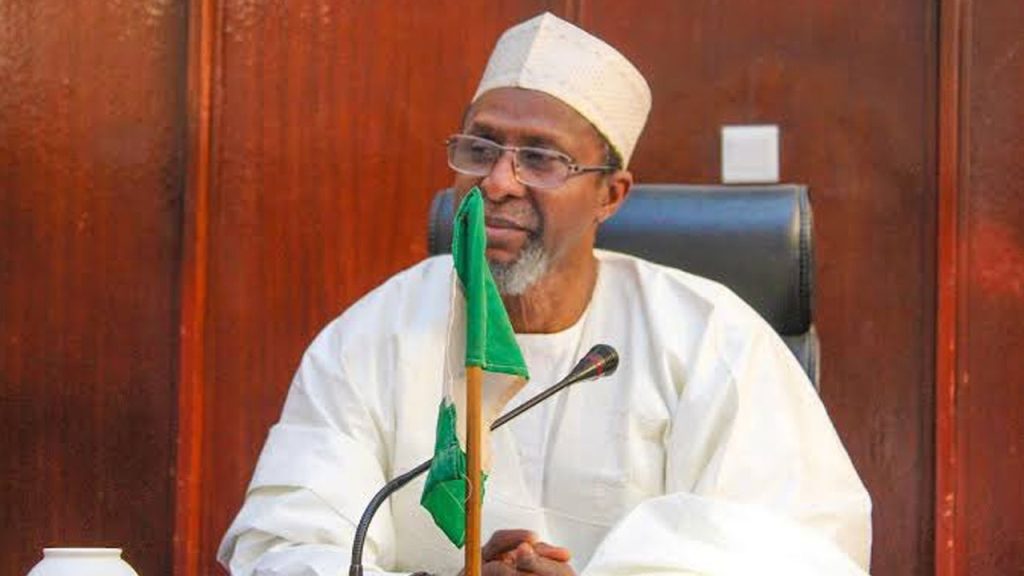
The Minister of Environment, Balarabe Abbas Lawal, disclosed this on Tuesday during a press briefing in Abuja to commemorate the 2026 World Toilet Day.
Lawal, who was represented by the Director of Pollution Control and Environmental Health, Mrs Omotunde Adeola, said many public places, including markets, motor parks, schools and communities, still lacked adequate and functional toilet facilities.
He warned that the situation was contributing to open defecation, contamination of food and water sources, and the spread of sanitation-related diseases such as cholera and typhoid.
According to him, inadequate sanitation poses serious threats to public health, environmental safety and human dignity.
The minister said women, girls, children, older persons and persons living with disabilities were particularly affected by the shortage of appropriate sanitation facilities.
He stressed that no child should miss school because of inadequate toilet facilities, while no woman or girl should be forced to compromise her safety and dignity because of the absence of suitable toilets.
Providing a global perspective, Lawal said about 4.5 billion people worldwide still lacked safely managed sanitation, while 892 million continued to practise open defecation.
He said the figures underscored the need to accelerate efforts towards achieving the Sustainable Development Goals, particularly those relating to clean water and sanitation, gender equality, good health and sustainable communities by 2030.
Government interventions
On efforts to address the challenge, the minister said the Federal Ministry of Environment, in collaboration with relevant ministries, state governments and development partners, was implementing programmes to improve sanitation and promote safe excreta disposal nationwide.
He listed the initiatives to include capacity building for Environmental Health Officers on faecal sludge management and toilet design, the Clean and Green Programme, and the Community-Based Waste Management and Open Defecation Control Programme.
Other interventions, he said, included integrating sanitation into climate adaptation and circular economy initiatives, as well as partnering with private sector operators to provide environmentally friendly sanitation facilities.
Lawal announced that the ministry would convene a National Dialogue on Faecal Sludge Management on November 23, 2026, involving seven selected states across the six geopolitical zones and the Federal Capital Territory.
He said the dialogue would enable participating states to assess their experiences, share challenges and develop practical recommendations for improving faecal sludge management.
As part of activities marking the World Toilet Day, the ministry will also organise a community sensitisation campaign at Kpadna Community, Utako, Abuja, on November 19.
The campaign is expected to engage residents, traders and food vendors on proper sanitation, hand hygiene and safe waste disposal through health talks, interactive discussions and practical demonstrations by Environmental Health Officers.
He added that the commemoration would take place simultaneously across the 36 states and the FCT through community sensitisation, advocacy campaigns and sanitary inspections of public places.
The minister called on state and local governments to strengthen faecal sludge and wastewater management systems, while urging households to embrace proper toilet use, handwashing and environmental cleanliness.
He also urged the private sector to invest in affordable sanitation technologies and climate-resilient infrastructure, while calling on development partners and civil society organisations to sustain their support for sanitation advocacy and infrastructure development.
Lawal further stressed the need for women and girls to participate actively in designing, implementing and monitoring sanitation interventions, rather than being treated merely as beneficiaries.
This year’s World Toilet Day is themed, “Sanitation and Gender Equality,” with the campaign tagline, “Safe Toilets. Equal Futures.”
The post Only 36% of Nigerians have access to improved toilets — FG appeared first on Vanguard News.