
Nigeria’s 11m-tonne cold storage gap exposes food supply weakness
…as stakeholders list challenges, proffer solutions
By Cynthia Alo
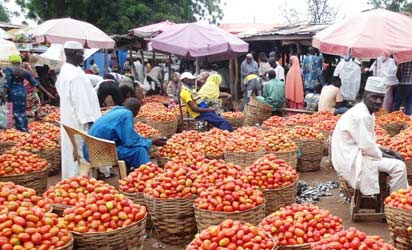
Nigeria has an estimated 11 million tonnes of perishable produce requiring cold storage, but less than 20,000 tonnes of long-term capacity, stakeholders have said.
They blamed short-term financing for blocking investment needed to cut post-harvest losses.
Speaking at the 10th Sustainability Table Series in Lagos, themed, ‘‘Feeding the Future: Resilient Food Systems, Smarter Value Chains & Cold-Chain Infrastructure’’, Managing Director of Mystrose Agro Commodities Ltd and NovaChill, Babatunde Niran-Aluko, said building cold storage at scale requires at least £600 per tonne. Sokoto alone, according to him, produces about 400,000 tonnes of onions, showing the scale of the gap.
Niran-Aluko is building a 20,000-tonne facility in Sokoto that can keep produce for eight to 10 months and cut losses to five per cent, but said it is small against national need.
“My goal is 500,000 tonnes, and we have 11 million tonnes to address. We need 22 of me and we still won’t finish it,” he said.
He said the model will work with cooperatives and aggregators, not individual farmers, and may need government subsidy to stay affordable. He added that many Nigerian investors seek quick returns, not long-term infrastructure.
Country Director, Global Alliance for Improved Nutrition, Dr. Michael Ojo, said cold-chain needs patient capital.
“The banks are short-term, business people seeking investment are short-term, so we cannot solve long-term problems,” he said.
He called for development finance to structure viable models.
Ojo also said Nigeria must move from just growing more food to fixing the whole system — aggregation, logistics, processing, markets and nutrition — including biofortified crops and fortified staples, plus demand creation for nutritious food.
On her part, Founder, Century 21 Foundation, Princess Kemdi Chika-Okafor, called for decentralised, solar-powered hubs near aggregation centres and markets, not one large warehouse.
“When we talk about solar-powered cold storage hubs, we should not focus on a lone warehouse like at the airport. We need to create hubs where we have a lot of food,” she said.
She said pay-as-you-go fees would help smallholders and traders afford storage, while partnerships with NGOs and public institutions could provide cheaper finance.
National President, National Onion Producers, Processors and Marketers Association, Aliyu Isah, said storage must go with inputs and handling facilities.
He listed right seed varieties, fertiliser, chemicals, mechanisation, irrigation, and common centres for cleaning, sorting, grading and packaging. He said lack of sorting machines is blocking market access.
The post Nigeria’s 11m-tonne cold storage gap exposes food supply weakness appeared first on Vanguard News.