
Nigeria’s Non-Oil Exports Hit Historic Record of $6.1bn in 2025 — NEPC
ABUJA — Nigeria’s non-oil export sector has shattered previous records, generating a staggering $6.1 billion in earnings for the 2025 fiscal year, the Nigerian Export Promotion Council (NEPC) announced on Monday.
This milestone figure represents a robust 11.5% increase over the $5.4 billion recorded in 2024, signaling that the Federal Government’s aggressive diversification push is finally yielding tangible results.
Speaking at a media briefing in Abuja to present the 2025 Non-Oil Export Performance Report, the Executive Director/CEO of NEPC, Mrs. Nonye Ayeni, described the achievement as a testament to the resilience of Nigerian exporters despite global logistics challenges.
Cocoa and Urea Lead the Charge
A breakdown of the data reveals that the growth was powered largely by agricultural commodities and industrial products.
- Total Volume: The volume of exports surged by 10%, rising from 7.29 million metric tonnes in 2024 to 8.02 million metric tonnes in 2025.
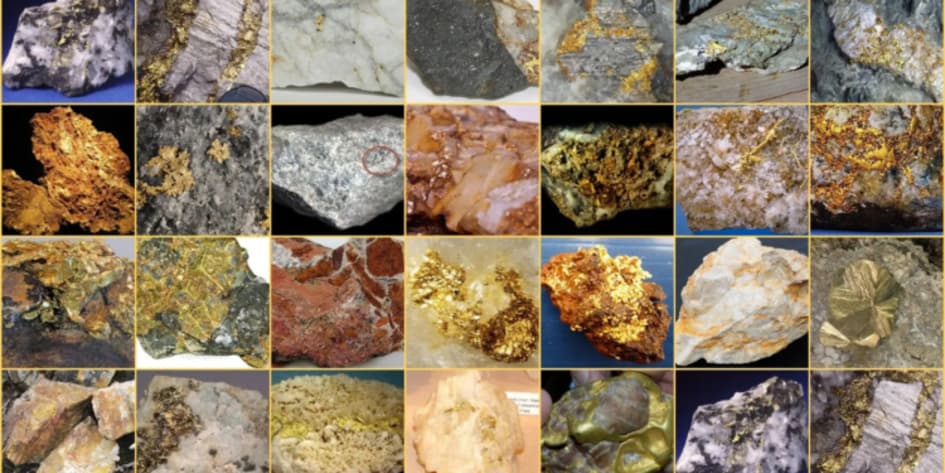
- Top Products: Cocoa beans emerged as the highest earner, contributing nearly $2 billion (about 33%) to the total value. Other top-performing products included Urea fertilizer, Cashew nuts, Sesame seeds, Gold dore, and Aluminium ingots.
“We exported 281 distinct products to 120 countries this year,” Ayeni disclosed. “This proves that we are gradually moving away from being a mono-product economy. The world is buying what Nigeria is producing.”
Top Destinations: Netherlands Takes the Lead
The report highlighted that European and Asian markets remained the biggest consumers of Nigerian non-oil goods.
- The Netherlands topped the chart, absorbing 17.53% of total exports.
- Brazil followed with 10.35%.
- India secured the third spot with 7.63%.
Within Africa, Ayeni noted that exports to ECOWAS nations saw a slight decline due to the political exit of Burkina Faso, Mali, and Niger from the bloc. However, Ghana and Côte d’Ivoire remained key regional partners.
Driving Factors
The NEPC boss attributed the success to the “Operation Double Your Exports” campaign and the President’s Renewed Hope Agenda, which prioritized removing bottlenecks in the export value chain.
“We saw a drastic reduction in export rejects this year because we focused on quality and certification,” Ayeni explained. “However, these figures only represent formal trade. If we capture the informal trade occurring across our land borders, the real value is significantly higher.”
2026 Outlook
Looking ahead, the NEPC projects an even stronger performance in 2026, banking on the newly signed Nigeria-UAE Comprehensive Economic Partnership Agreement (CEPA) and the full implementation of the African Continental Free Trade Area (AfCFTA).