
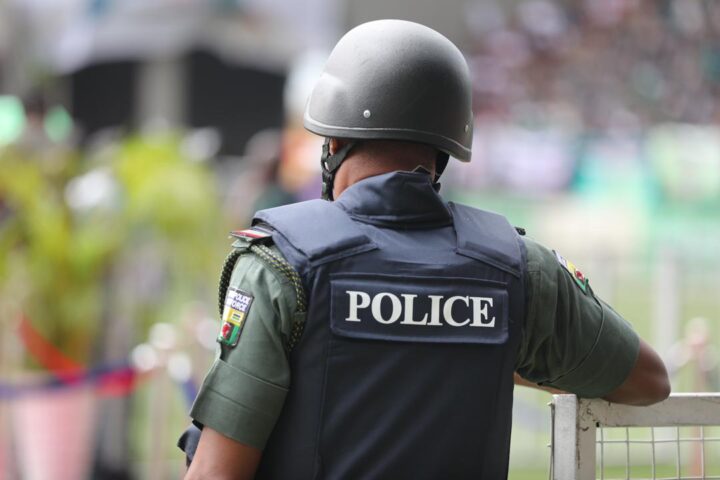
Need for speedy reconstruction of police barracks
Inspector-General of Police Olatunji Disu’s recent inspection of police barracks under reconstruction in Lagos has exposed a painful reality: decades of neglect have turned many police quarters into slums unfit for human habitation. His frustration over delays in completing the projects is understandable. But beyond expressing frustration, the inspection must translate into urgency, accountability and tangible results. The scale of the Lagos intervention is significant, though still inadequate in relation to the national crisis. Disu inspected about 21 barracks and housing projects, with at least 1,000 housing units expected to be delivered by February 2027 through collaboration involving the Lagos State Government and private developers. This is commendable, but the problem extends far beyond Lagos. The Federal Government’s rehabilitation of 13 police training colleges nationwide also acknowledges the deplorable condition of facilities that have undermined police training for decades.
Across Nigeria, reports of dilapidated barracks paint a disturbing picture. Officers and their families live in overcrowded rooms, share inadequate sanitary facilities and endure unreliable water supplies, damaged buildings and generally unhealthy surroundings. It is difficult to demand the highest standards of discipline and public order from officers whose own living environments are overwhelmed by neglect and squalor. More troubling is that only a fraction of police personnel reside in barracks. Most officers live in rented accommodation among civilians, often at considerable cost and sometimes in environments that expose them and their families to security risks. This arrangement can also undermine rapid mobilisation, particularly when officers have to travel considerable distances to their duty posts during emergencies.
Decent accommodation should therefore not be treated merely as a welfare benefit. It is an element of policing infrastructure. Officers who live in secure, hygienic and properly maintained quarters are likely to enjoy better morale and a stronger sense of belonging. Proper accommodation can also facilitate unit cohesion and rapid response. Conversely, poor housing imposes financial, psychological and operational burdens that can diminish efficiency and discipline.
The Federal Government and the police authorities must consequently make police housing a national security priority. The Lagos approach, involving government support, private-sector participation and mortgage financing, deserves to be expanded to other states. Corporate organisations, wealthy individuals and development institutions that often enjoy exclusive police protection should also be encouraged to support the reconstruction or adoption of specific barracks. However, such partnerships must be transparent to prevent situations of police sell-out to powerful individuals and organisations. The dignity of the Nigeria Police Force cannot be restored while officers and their families live in decrepitude. Disu’s inspection should therefore be the beginning of a sustained nationwide housing programme, not just a ceremonial tour. A police force expected to protect citizens must itself be treated with dignity. The time for excuses is over. Let’s act fast!
The post Need for speedy reconstruction of police barracks appeared first on Vanguard News.