
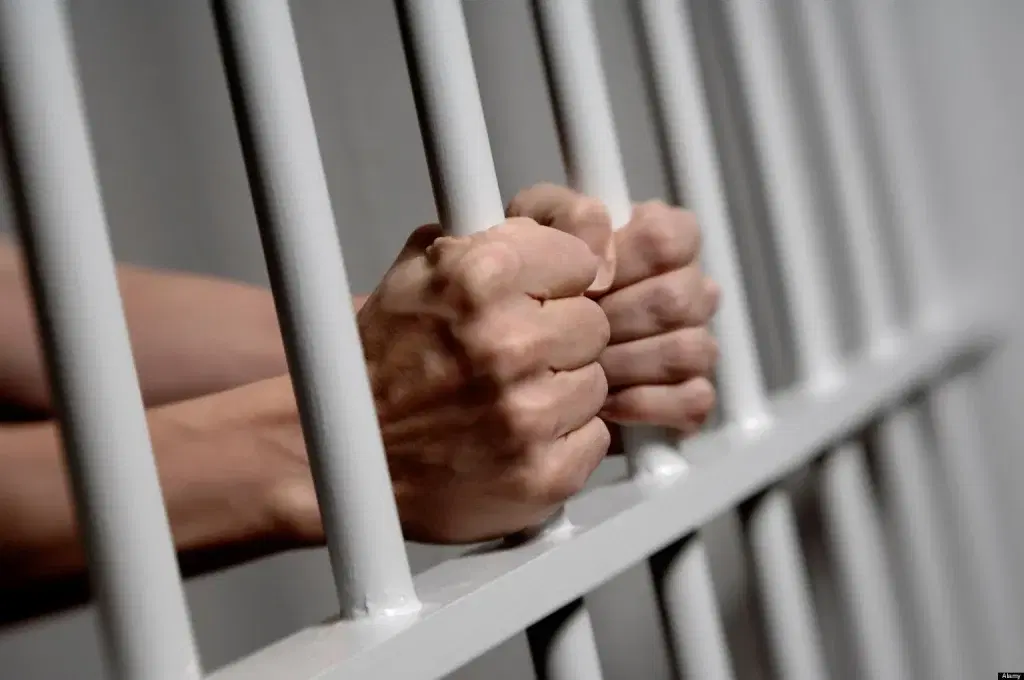
Giving ex-prisoners another chance
The appeal by rehabilitated female ex-inmates for society to reject stigma is a timely reminder that punishment should not become a life sentence after release. The Nigerian Correctional Service (NCoS) itself now has a statutory mandate to reform, rehabilitate and reintegrate offenders, while its programmes include education, vocational training and income generation through farms and industries.
In November 2025, the Service distributed aftercare starter packs to 24 ex-offenders trained in tailoring, laundry, hairdressing, barbing, welding and carpentry, while urging Nigerians to end discrimination. That is the proper peg for a national conversation on second chances. An ex-convict, a former inmate or an ex-offender is a person who has been convicted of an offence and served a sentence imposed by a court. But no one should be permanently defined by their worst chapter of life.
Some are first offenders. Some may have been victims of poverty, manipulation, bad company or circumstance. Some may have been wrongly convicted or suffered miscarriages of justice. Even where guilt is established, a completed sentence should not occasion endless social exclusion or permanent denial of dignity and opportunity. Stigmatisation can defeat the very purpose of correctional reform. If a released person cannot secure employment, accommodation, credit or acceptance because of a past conviction, desperation may deepen and the temptation to return to crime may grow.
The NCoS has itself warned that stigma can frustrate reintegration and increase the risk of reoffending. Compassion is part of crime prevention and safety. Government must urgently strengthen aftercare by providing starter equipment, grants, apprenticeships, counselling, documentation, job-placement partnerships and access to affordable finance. Employers should consider qualified rehabilitated persons on their present abilities, subject to legitimate security requirements.
Communities, religious organisations and civil society should support family reconciliation and mentorship. There should also be structured follow-up for released inmates. The skills acquired behind the walls must not become idle certificates. They include farming and animal production, market gardening, tractor operation and maintenance, carpentry, electrical installation, tailoring, welding, soap making, hairdressing, laundry, barbing and other crafts. Agriculture deserves special attention.
The Correctional Service says it has access to more than 12,263 hectares of arable land, making farming a natural bridge from rehabilitation to food production and self-employment. Released inmates should receive land access, inputs, tools, extension services and market connections. Former inmates themselves can also become ambassadors of rehabilitation. Those who have rebuilt their lives should establish advisory blogs or advocacy platforms offering hope to those behind bars, explaining lawful pathways to early release, education, skills and reintegration.
Rehabilitation is incomplete when society refuses to receive the rehabilitated. A second chance, properly supported, can turn a former inmate from a burden into a worker, entrepreneur, farmer, mentor and productive citizen. The nation should choose restoration over rejection, without abandoning accountability, public safety and dignity.
The post Giving ex-prisoners another chance appeared first on Vanguard News.