
DELUSION EXPOSED: The “No Man’s Land” Myth, Post-War Hospitality, and the Dangerous Battle for the Soul of Lagos!
Every election cycle in Nigeria, a volatile and historically bankrupt narrative resurrects to haunt the political landscape: the assertion that Lagos is a “no man’s land,” frequently weaponized by the delusion that commercial dominance equates to indigenous ownership of the city. What begins as boastful social media banter quickly morphs into a dangerous ethnic flashpoint between the Yoruba host communities and Igbo residents, threatening the fragile peace of Africa’s largest megacity.
To separate facts from political fiction, it is imperative to dissect the historical archives, the undeniable Yoruba heritage of Lagos, the magnanimity of post-civil war policies, and the devastating human cost of this recurring ethnic grandstanding.
The Origins of the “No Man’s Land” Rhetoric
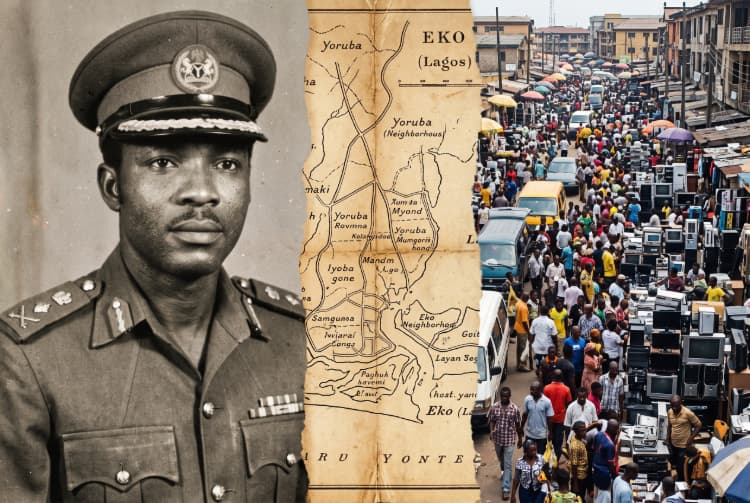
The claim that Lagos is a decentralized “no man’s land” completely ignores centuries of documented indigenous history. Long before the British annexed Lagos as a Crown Colony in 1861, the territory was settled by the Awori, a subgroup of the Yoruba people, led by Olofin.
The political weaponization of the “no man’s land” phrase has deep historical roots. Historians frequently point to the late 1940s, specifically citing a 1947 speech by prominent NCNC politician Jaja Wachuku, as one of the earliest recorded instances of an Igbo leader referring to the cosmopolitan capital as a “no man’s land.” While modern fringe voices, online agitators, and certain political proxies continue to echo this dangerous assertion today to claim equal political ownership, it is important to note that many prominent mainstream Igbo figures—such as actor Yul Edochie and the leadership of Ohanaeze Ndigbo—have publicly condemned the rhetoric, acknowledging that Lagos is fundamentally Yoruba territory.
Post-Civil War Hospitality: The Mobolaji Johnson Era
One of the most critical, yet frequently overlooked, chapters in this ethnic debate is the unparalleled hospitality extended to the Igbo community in Lagos following the devastation of the Nigerian Civil War (1967–1970).
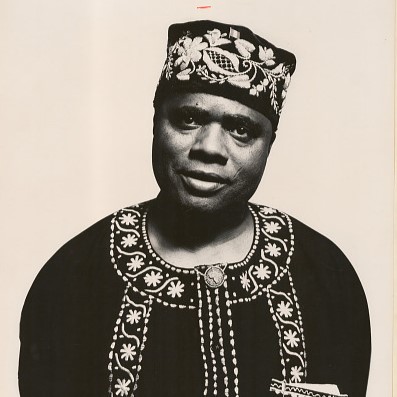
While the end of the war saw the tragic “abandoned property” crisis erupt in regions like Port Harcourt—where returning Igbos were stripped of their real estate investments—Lagos took a starkly different path. Under the leadership of the first Military Governor of Lagos State, Colonel Mobolaji Johnson, the Yoruba host community and the state government opened their doors. A special committee was established to manage properties left behind by Igbos who had fled to the East.
Upon their return, not only were over 300 properties handed back to their rightful Igbo owners, but the Lagos State government also handed over the accumulated rents—amounting to hundreds of thousands of pounds—collected during their absence. This act of magnanimity provided the crucial financial lifeline that allowed many Igbo families to restart their businesses and eventually build the commercial empires seen in Lagos today.
The Warning: A Courtesy on the Brink
Today, a growing number of Yoruba socio-cultural groups and political observers are issuing a stark warning: the historical courtesy and fragile hospitality extended after the civil war may not be repeated if the provocative “ownership” rhetoric continues.
When political elites and ethnic chauvinists amplify the delusion of “Lagos as a no man’s land,” they paint a target on the backs of hardworking citizens. It breeds a toxic atmosphere of suspicion, triggering xenophobic pushback and voter suppression. Critics argue that pushing the host community to the wall with expansionist rhetoric threatens to erode decades of intermarriage, joint economic survival, and peaceful coexistence.
Lagos is a vibrant, cosmopolitan powerhouse built on the sweat of all Nigerians, with the Igbo community serving as a vital commercial pillar. However, confusing economic success with historical ownership is a dangerous political illusion. Acknowledging that Lagos is undeniably Awori-Yoruba land does not diminish the constitutional rights or economic achievements of the Igbo people who call it home; rather, it grounds the city’s future in historical truth, demanding mutual respect over ethnic conquest.