
Culture Power: The Day the Deji of Akure Defied Chief Awolowo
MAKOGI — The modern tension between Nigerian political leaders and traditional monarchs is not a new phenomenon. While recent clashes—such as former President Olusegun Obasanjo controversially commanding Yoruba Obas to “stand up and sit down” at a public function—have sparked national outrage, history records a much older, legendary act of royal defiance.
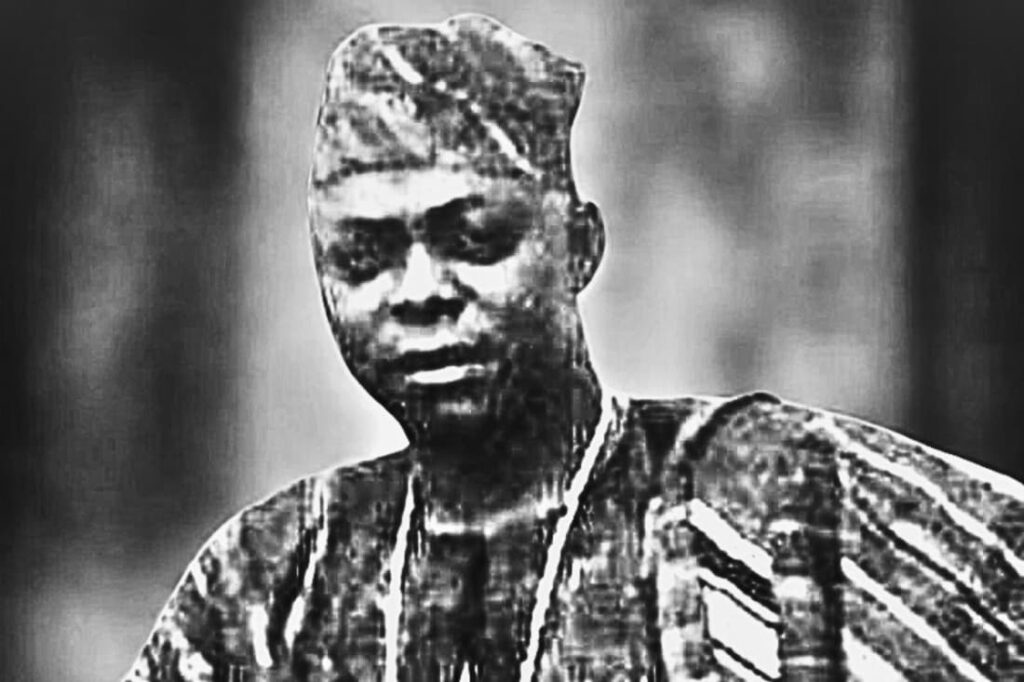
Decades ago, during the fiery political era of Nigeria’s First Republic, a newly crowned monarch, the Deji of Akure, Oba Ademuagun Adesida II, delivered an unforgettable masterclass in protecting traditional dignity against modern state power. The man he defied was none other than the formidable Premier of the Western Region, Chief Obafemi Awolowo.
Oba Ademuagun Adesida II, who ascended the throne in 1957 in direct succession to his father, was a fearless leader from the revered Asodeboyede Ruling House. His reign marked the beginning of a golden age of modernity and uncompromising cultural pride in Akure. His refusal to stand for Awolowo remains one of the most cited historical precedents whenever the debate over the supremacy of cultural heritage versus constitutional protocol arises in Nigeria today. As civil society groups and Yoruba socio-cultural organizations continue to demand respect for traditional institutions, the bold defiance of Oba Ademuagun serves as a timeless reminder that true royalty bows to no politician.
The “Stand Up” Protocol: Awolowo’s Arrival
During the 1950s, Chief Obafemi Awolowo wielded immense political power across the Western Region. As Premier, his presence commanded absolute authority. State protocol informally dictated that whenever the Premier walked into a regional gathering, everyone in attendance, including revered traditional rulers, was expected to stand up in deference to his office.
At one historic meeting of traditional rulers in the Western Region, Awolowo made his grand entrance. Adhering to the unwritten political protocol, all the senior Yoruba Obas present immediately rose to their feet to welcome the Premier.
However, one monarch blatantly refused to follow suit.
The Defiance of Oba Ademuagun Adesida II
While older, highly influential kings stood up for the Premier, the young and highly educated Deji of Akure, Oba Ademuagun Adesida II (Ekun Oko Eyesorun), remained firmly seated.
According to historical accounts of the incident, the other Obas were visibly shocked. Seeing this relatively new and young Oba from Akure remain seated while Awolowo stood before them created an incredibly tense atmosphere. The Reason: For Oba Ademuagun, this was not an act of petty political rebellion, but a strict adherence to the ancient laws of Oduduwa. In Yoruba culture, a crowned Oba is considered Igbakeji Orisa (second-in-command to the gods). Culturally, a king does not stand up to greet a political subject, regardless of the subject’s modern governmental title. The Message: By remaining seated, the Deji of Akure sent a powerful, unmistakable message: while the Premier held the political mandate of the state, the Oba held the spiritual and ancestral mandate of the Yoruba race.
A Legacy of Royal Boldness
Oba Ademuagun Adesida II, who ascended the throne in 1957 in direct succession to his father, was a fearless leader from the revered Asodeboyede Ruling House. His reign marked the beginning of a golden age of modernity and uncompromising cultural pride in Akure.
His refusal to stand for Awolowo remains one of the most cited historical precedents whenever the debate over the supremacy of cultural heritage versus constitutional protocol arises in Nigeria today.
As civil society groups and Yoruba socio-cultural organizations continue to demand respect for traditional institutions, the bold defiance of Oba Ademuagun serves as a timeless reminder that true royalty bows to no politician.