
Death in Sachet Alcohol: Who’ll enforce ban in Cross River?
•Govt not serious, new brands coming out — Anderson; •I tip them when they come to enforce ban — Iquo
By Emma Una
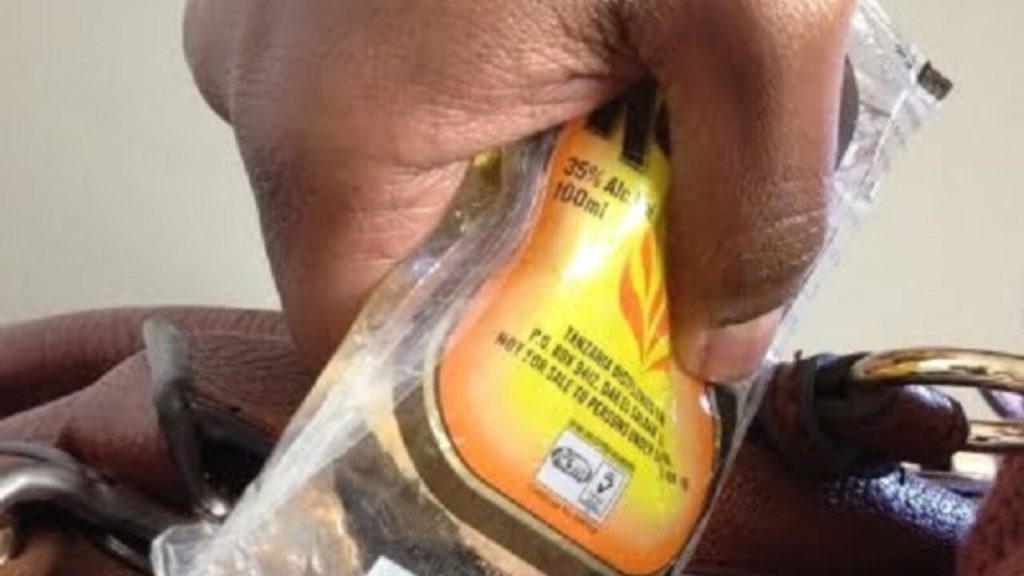
The tiny, sealed sachet of alcohol costs less than a loaf of bread. For many buyers, It fits into a shirt pocket immediately after a purchase and a few seconds later, vanishes down a thirsty throat. Who will enforce the ban of this alcohol in Cross River state?
At Ikom motor park, a driver named Ojong called the ban “a joke”.
Read Also:
“Government people up there can afford 22-year-old brandy, but this is what we can afford,” he said, pointing to a sachet. “Many drivers here cannot start their day without one or two sachets. Even police, soldiers, and customs buy and drink them.
“So who will enforce the ban?” His words reveal a bitter truth that since the enforcers are also consumers, the law becomes a laughingstock.
For millions of Nigerians, it is the cheapest escape from a hard day’s grind. But hidden inside that innocent-looking pouch is a slow poison that has destroyed livers, wrecked homes, and killed thousands of young people who never understood what they were drinking.
This is why the Federal Government, after years of warnings, finally banned alcoholic beverages packaged in sachets and small glass bottles below 200ml, with the ban taking full effect on January 1, 2026, after a final extension expired on December 31, 2025.
The danger was never a secret. Health experts warned repeatedly that sachet alcohol encourages excessive and reckless consumption because it is cheap, portable, and sold everywhere. You find it at motor parks, markets and street corners. According to findings by government regulatory agencies, many of these products contain dangerously high concentrations of ethanol, sometimes laced with methanol and other toxic chemicals that attack the liver, kidneys, and nervous system. Young men gulping two or three sachets before mounting motorcycles or climbing behind the wheels of buses have left trails of blood on Nigerian roads. In villages and city slums, teenagers mix the cheap spirits with kolos, cannabis, and other hard drugs, turning themselves into walking time bombs. The ban was not about punishing pleasure; it was about saving lives.
Yet in Cross River State, from the bustling Watt Market in Calabar, to the timber market in Ogoja, from Ikom motor park to the quiet streets of Okpoma in Yala Local Government Area, the banned beverages still dangle openly from ropes and shop rafters. Hawkers push carts loaded with them through motor parks, and even children run errands carrying the deadly pouches from place to place. There is no fear of arrest, no hiding, no shame. The law exists on paper, but on the ground, it is business as usual.
At Calabar’s Watt Market, a trader who gave her name as Iquo laughed off the idea of a ban. “I never hear say government ban this thing,” she said, even as she admitted that enforcement agents had raided her stall a few times.
“When they come, I beg them and give them something small, they go release my goods.” Her confession tells its own story: the ban is real, but so is the corruption that quietly kills it. She sells the alcohol in several brands from her stand near the motor park where motorcycle riders pick passengers, and she insisted she had no other business to fall back on.
In Ogoja, around the timber market, Egbe Anderson, who openly sells the drinks, asked a reporter a question that stung: “If government is serious, why are supply vans still coming every day from Lagos, Port Harcourt, Aba, and Onitsha? New brands are coming out every day, and you are talking about ban. Ban what?” His question exposes the broken chain of enforcement — while shops are raided, manufacturers and distributors continue to flood the market with impunity.
A traditional ruler in Okpoma, Ogamode Onah, offered a rare voice of reason. “I support the ban totally,” he said. “These boys take these drinks with kolos and other dangerous things and cause trouble. Every day, we see accidents on the road because they drink before riding okada or driving. Young people cannot even work on the farm without taking these things. Let those enforcing the ban be serious.” His words echo the pain of communities that bury young men almost every week.
At the NAFDAC office in Calabar, an official explained that the journey to the ban began in 2018, when NAFDAC, the Federal Ministry of Health, and industry stakeholders signed an agreement giving manufacturers a five-year moratorium to phase out sachet alcohol by January 31, 2024. Enforcement began in February 2024 but was extended after manufacturers appealed.
On January 1, 2026, the full ban finally became active, backed by a Senate resolution and NAFDAC enforcement. Since July 2026, the agency has been conducting nationwide “shop-and-market mop-up” operations. “So what you see on the streets and markets are illegal,” the official said.
The question now is whether the government has the will to match its words with action. A law that exists only in press statements and official gazettes cannot save the young man in Ikom who drinks before driving, or the teenager in Calabar who mixes sachet gin with hard drugs.
The ban on sachet alcohol was written in blood — the blood of accident victims, of wasted youths, of families destroyed by cheap addiction. Until enforcement becomes real, until corrupt officers stop collecting bribes, and until communities and traditional rulers join the fight, the killer in the sachet will keep flowing freely through Cross River State and beyond.
Vanguard News
The post Death in Sachet Alcohol: Who’ll enforce ban in Cross River? appeared first on Vanguard News.