
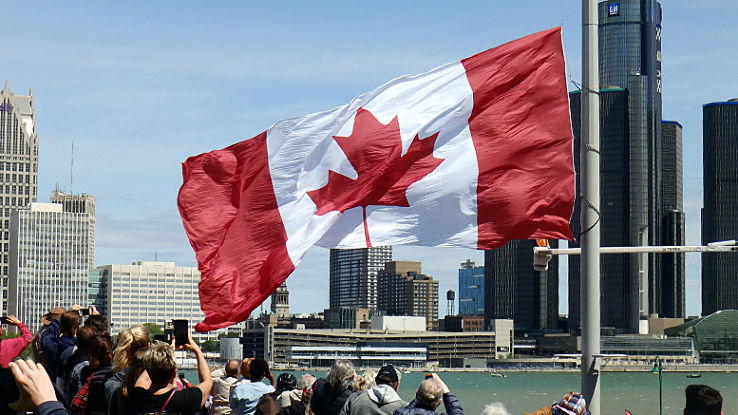
Canadian citizenship rules changed: 5 things to know
Canada has changed its citizenship-by-descent rules following the passage of Bill C-3 on December 15, 2025.
The changes removed the previous first-generation limit for certain people born abroad before that date, potentially allowing more people with Canadian ancestry to claim Canadian citizenship.
However, the changes do not mean everyone with a Canadian connection automatically becomes a citizen.
Here are five things to know about the new rules.
1. The First-Generation Limit Has Been Removed
Bill C-3 removed Canada’s previous first-generation limit on citizenship by descent for people born before December 15, 2025.
This means some individuals born outside Canada may now be recognised as Canadian citizens through a parent or more distant Canadian ancestor.
The change could affect people who were previously unable to claim Canadian citizenship because their connection to Canada extended beyond the first generation born abroad.
2. You Still Have to Prove Your Canadian Citizenship
Being eligible for Canadian citizenship and proving that citizenship are two different things.
People who believe they are Canadian under the new rules may need to apply for a Canadian citizenship certificate, which serves as official proof of their citizenship.
The certificate can then be used when applying for a Canadian passport and accessing other rights and benefits associated with Canadian citizenship.
3. You Need Documents Linking Each Generation
Applicants cannot necessarily rely on a single document showing that an ancestor was Canadian.
Immigration, Refugees and Citizenship Canada (IRCC) requires evidence establishing the family connection through the relevant generations.
For example, an applicant may need birth certificates, marriage certificates and other official records showing how they are related to their Canadian ancestor.
IRCC has emphasised the importance of providing “proof of parentage and Canadian citizenship for your Canadian parent, grandparent and parental ancestor as applicable.”
The aim is to establish a clear documentary chain between the applicant and the Canadian citizen in their family history.
4. Certain Circumstances Can Affect Eligibility
Having a Canadian ancestor does not automatically guarantee citizenship.
The citizenship chain can be affected by circumstances such as a parent renouncing Canadian citizenship before a child was born.
Another issue can arise where a parent became a Canadian citizen only after their child was born. In such cases, the child may not have acquired Canadian citizenship through that parent at birth.
Because citizenship histories can be complicated, applicants with unusual circumstances may need professional advice before submitting an application.
5. Check Your Family History Before Applying
Anyone who believes they may qualify should first establish their family’s citizenship history.
This includes finding out where each relevant family member was born, when they acquired Canadian citizenship, whether anyone changed their name and whether anyone renounced their citizenship.
Applicants should then gather official documents that establish the connection between the generations.
The new rules could open the door to Canadian citizenship for people who were previously excluded by the first-generation limit, but eligibility still depends on the details of each individual case.
Before applying for proof of citizenship, it is therefore important to understand your family history and ensure that the necessary documentation is available.
Vanguard News
The post Canadian citizenship rules changed: 5 things to know appeared first on Vanguard News.