
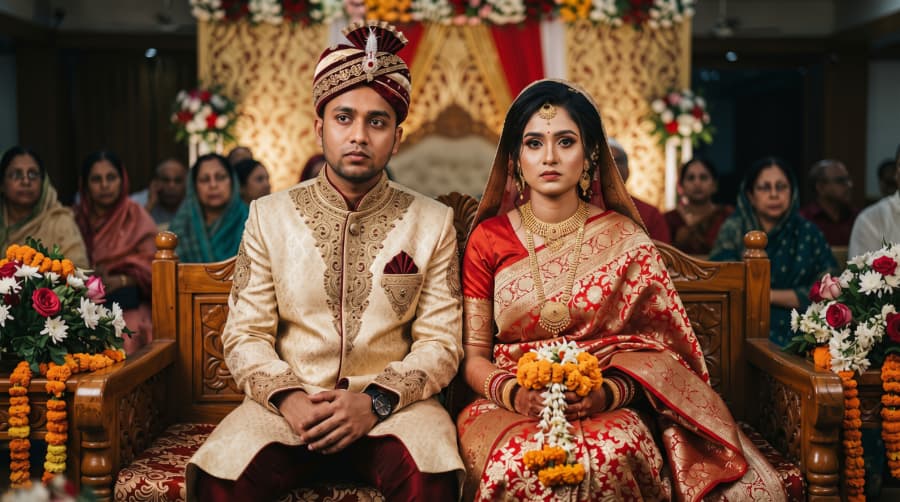
Tragedy in Mecca: Executed Newlyweds Return Home in Coffins Over Contested “Immoral Act” Inside Mosque
DHAKA — What was meant to be a joyous celebration of matrimony has instead concluded in profound grief. The lifeless bodies of two Bangladeshi nationals—Nazrul Islam Abdul Basir and Siti Akhtar—have returned to Bangladesh in two separate coffins for traditional burial rites. The couple, who traveled to Saudi Arabia for their honeymoon and to perform religious rites, met a grim fate after being executed by Saudi authorities following a conviction for an alleged “immoral act” inside a Mecca mosque.
The incident has triggered intense international scrutiny, diplomatic silence concerns from Dhaka, and a fierce human-angle debate over proportionality, cultural misunderstanding, and the rigidity of judicial execution under ta’zir (discretionary punishment).
The Honeymoon That Turned Into a Nightmare
According to reports filtering out from regional and domestic accounts, Nazrul Islam Basir and Siti Akhtar were newly married and had journeyed to the Kingdom to spend their honeymoon performing Umrah. However, a moment of profound personal emotion inside a mosque veranda in Mecca spiraled into a catastrophic legal nightmare.
Accounts indicate that the husband gently kissed his bride on the forehead—an action the couple reportedly maintained was an innocent expression of deep love, relief, and appreciation to Allah for blessing them with a wonderful spouse. A bystander allegedly recorded the moment on a mobile phone and alerted security personnel.
While Saudi Arabia’s Ministry of Interior announced that the execution was carried out under ta’zir following a competent court ruling and a royal order to protect the sanctity of holy sites, the exact evidentiary details of the “indecent act” remained broadly unspecified in official statements, fueling global ambiguity and outcry.
The Clashing Narratives: Devotion vs. Desecration
The core of the human tragedy lies in a stark cultural and legal chasm:
The State’s Stance: Saudi authorities maintained a zero-tolerance policy toward behavior deemed disrespectful or immoral inside the sacred enclosures of Mecca’s mosques, enforcing strict legal boundaries to preserve religious sanctity. Reports note that authorities reportedly dismissed claims regarding their marital status or the benign nature of the gesture during the secretive four-month legal proceedings.
The Family and Human Angle: Back in Bangladesh, loved ones and advocates paint a picture of utter disbelief. The couple’s defense—ignored or unpersuasive in the eyes of the court—was that the forehead kiss was purely spiritual and affectionate, void of any lewd intent.
Diplomatically, the fallout has been immediate. The Bangladesh Consulate General in Jeddah and state ministers in Dhaka noted that they were not transparently notified of the executions beforehand, prompting the government to seek formal explanations from Riyadh.
As the coffins descend into local soil for final traditional burials, the incident leaves behind haunting questions about judicial transparency, discretionary capital punishment, and the heavy price of cultural misunderstandings abroad.