
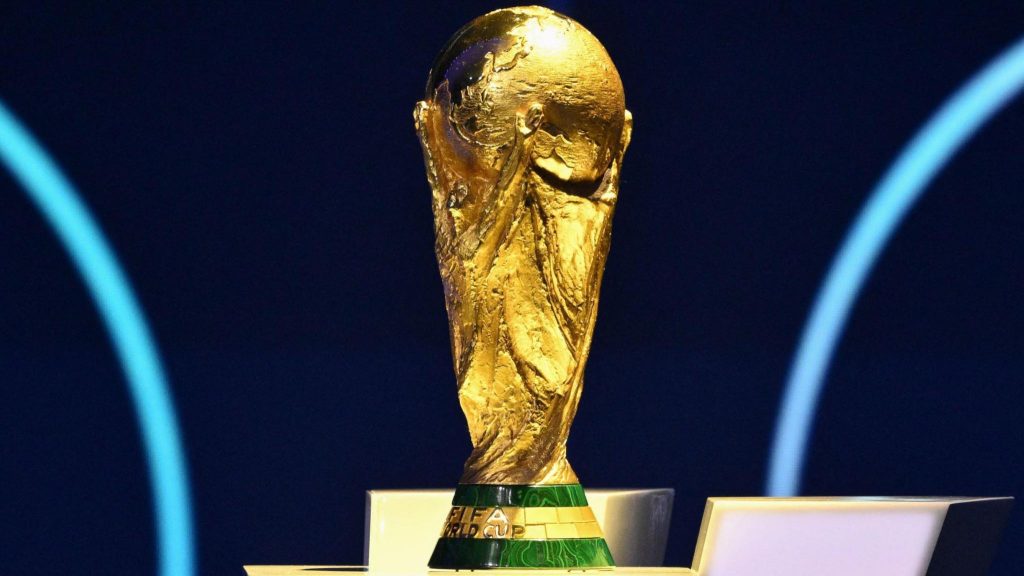
7 countries that were banned from World Cup due to politics
The FIFA World Cup is often presented as a tournament that brings countries together through football.
However, politics, war, international sanctions and government interference have repeatedly affected which nations are allowed to participate.
Over the years, several countries have been prevented from taking part in the World Cup or its qualifying process because of political conflicts or actions involving their governments.
Here are seven notable examples.
1. South Africa
South Africa is one of the clearest examples of politics influencing World Cup participation.
FIFA suspended the country in 1961 because of its apartheid system, which enforced racial segregation. The suspension was later reinstated, and South Africa was expelled from FIFA in 1976.
The country’s exclusion lasted for several World Cup cycles until it was readmitted in 1992, following the dismantling of apartheid. South Africa eventually returned to the World Cup in 1998 and hosted the tournament in 2010.
2. Yugoslavia
Yugoslavia was prevented from playing at the 1994 World Cup because of international sanctions imposed during the Yugoslav Wars.
The United Nations imposed sanctions on Yugoslavia that included a prohibition on participation in international sporting events. As a result, the country was removed from the 1994 World Cup despite having a strong football tradition.
The political break-up of Yugoslavia eventually resulted in several independent football nations, including Croatia, Slovenia and Bosnia and Herzegovina.
3. Russia
Russia is the most prominent modern example of a country excluded from the World Cup because of an international political and military conflict.
Following Russia’s invasion of Ukraine in 2022, FIFA and UEFA suspended Russian national teams and clubs from international competitions.
The suspension prevented Russia from taking part in the 2022 World Cup play-offs and also kept the country out of the qualification process for the 2026 tournament. Russia remains suspended from FIFA and UEFA competitions.
4. Germany
Germany was excluded from the 1950 World Cup in Brazil following the Second World War.
The country had been defeated in the war just five years earlier, and its football association was not part of FIFA at the time of the tournament.
Germany therefore missed the first World Cup held after the war, before returning to the competition in 1954.
5. Japan
Japan was also excluded from the 1950 World Cup in the aftermath of the Second World War.
Like Germany, Japan had been on the losing side of the conflict and was not permitted to participate in the tournament.
Japan eventually returned to international football and made its World Cup debut in 1998.
6. Indonesia
Indonesia was prevented from continuing in the 2018 World Cup qualifying campaign after FIFA suspended its football association over government interference.
FIFA requires national football associations to operate independently from political authorities. Indonesia’s football association was suspended in 2015 after the Indonesian government intervened in its affairs.
The suspension was eventually lifted in 2016 after the dispute was resolved, but Indonesia had already been removed from the 2018 qualifying process.
7. Kuwait
Kuwait’s national team was also affected by political interference in football administration.
FIFA suspended the Kuwait Football Association in 2015 after the country’s government introduced legislation that FIFA considered incompatible with its rules on the independence of national football associations.
The suspension meant Kuwait could not complete its 2018 World Cup qualifying campaign. The ban was lifted in December 2017 after changes were made to Kuwait’s sports legislation.
Vanguard News
The post 7 countries that were banned from World Cup due to politics appeared first on Vanguard News.