
5 foods Nigerians love but are dangerous to health
Nigerian cuisine is celebrated for its rich flavours, cultural significance and wide variety of dishes. While many of these meals are nutritious and safe when prepared correctly, some can pose health risks if handled improperly or eaten too often.
From staple meals to popular street foods, experts say proper preparation, good hygiene and moderation are key to enjoying these favourites without compromising your health.
Here are five popular Nigerian foods that deserve a little extra caution.
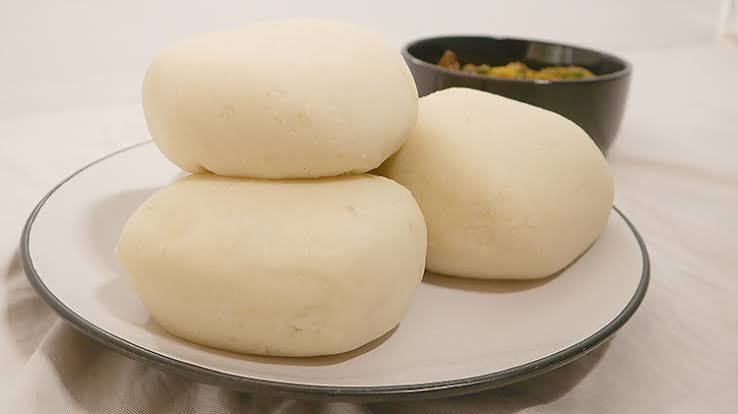
1. Fufu made from cassava
Fufu, one of Nigeria’s most widely consumed staples, is often made from cassava, although yam and plantain are also commonly used.
Cassava naturally contains compounds known as cyanogenic glycosides, which can release cyanide if the tuber is not properly processed. Eating improperly prepared cassava may lead to cyanide poisoning, with symptoms such as dizziness, nausea and vomiting. In severe cases, it can become life-threatening.
Experts recommend soaking, fermenting and thoroughly cooking cassava before consumption to eliminate the harmful compounds.
2. Suya
Suya remains one of Nigeria’s most loved street foods, consisting of spicy grilled beef, chicken or goat meat.
However, cooking meat over very high heat or open flames can produce chemicals known as heterocyclic amines (HCAs) and polycyclic aromatic hydrocarbons (PAHs). Studies have linked prolonged exposure to these compounds with an increased risk of certain cancers.
Health experts advise limiting the consumption of heavily charred meats and balancing them with fruits and vegetables.
3. Palm oil-based meals
Palm oil is a key ingredient in many traditional dishes, including egusi, banga and other local soups.
Although it contains beneficial nutrients, palm oil is also rich in saturated fat. Excessive consumption may contribute to increased levels of low-density lipoprotein (LDL), commonly referred to as “bad” cholesterol, which can raise the risk of heart disease.
Repeatedly reheating palm oil, a practice sometimes associated with commercial food preparation, may also produce unhealthy trans fats.
4. Deep-fried snacks
Popular snacks such as puff-puff, akara, buns and plantain chips are enjoyed across the country but are often deep-fried in oil.
When cooking oil is reused several times, it can generate trans fats and harmful compounds that have been associated with heart disease and type 2 diabetes. Regular consumption of deep-fried foods may also contribute to weight gain and other health problems.
Nutritionists recommend treating these snacks as occasional indulgences rather than everyday meals.
5. Kunu
Kunu, a traditional drink made from fermented grains such as millet, maize or sorghum, is valued for its refreshing taste and nutritional benefits.
However, poor hygiene during preparation or storage can expose the drink to harmful bacteria, including E. coli and Salmonella, increasing the risk of foodborne illnesses.
Preparing kunu with clean water, sanitised utensils and proper storage practices can significantly reduce the risk of contamination.
Vanguard News
The post 5 foods Nigerians love but are dangerous to health appeared first on Vanguard News.