2027 polls: NUC considers four-week university break
…Mobilises VCs to support INEC as commission plans 57,000 additional BVAS machines
By Joseph Erunke, Abuja
The National Universities Commission (NUC) is considering a three-to-four-week adjustment of academic calendars across Nigerian universities to enable academics to participate in the conduct of the 2027 general elections.
The proposed adjustment is part of efforts by the commission to mobilise Vice-Chancellors and university authorities nationwide to provide credible and non-partisan academic personnel, particularly as Collation and Returning Officers.
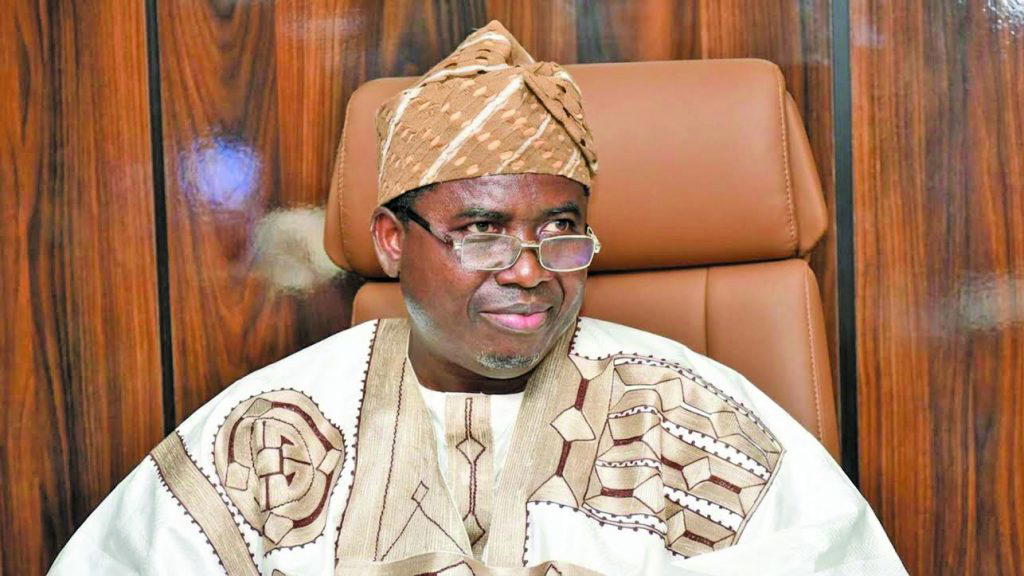
The NUC Executive Secretary, Prof. Abdullahi Yusufu Ribadu, disclosed this on Monday in Abuja when the Chairman of the Independent National Electoral Commission (INEC), Prof. Joash Amupitan, SAN, led a delegation of National Commissioners and senior officials on a courtesy visit to the commission.
Ribadu said the NUC would engage Vice-Chancellors on the nomination of qualified academics for electoral assignments, adding that an online meeting would be convened to facilitate the process.
He also pledged to issue a formal circular to universities upon receiving an official request from INEC, stressing that the credibility of the 2027 elections would depend significantly on the integrity of personnel deployed to conduct them.
“Since we want to have credible elections, we also have to have credible personnel,” he said.
The NUC boss explained that the proposed adjustment of academic calendars would give academics sufficient time to discharge their electoral responsibilities without compromising students’ academic programmes.
According to him, the proposed break would not exceed four weeks, adding that the commission would consult university administrators to ensure that the arrangement neither disrupted academic activities nor interfered with INEC’s electoral timetable.
“We will discuss with the Vice-Chancellors and have their calendars tweaked in such a way that it will not affect the elections, nor will it affect the studies of the students,” he said.
Ribadu also stressed that academics and other ad hoc officials engaged in the electoral process must demonstrate absolute neutrality, proposing that they take an oath of neutrality before deployment.
Beyond providing election officials, the NUC Executive Secretary proposed a broader institutional partnership between universities and INEC, including student internship opportunities at the electoral commission, joint research initiatives and possible academic programmes in electoral studies.
He identified artificial intelligence, robotics and data analytics as areas where Nigerian universities could collaborate with INEC to strengthen electoral administration and improve the country’s democratic process.
The NUC also proposed leveraging student organisations, campus clubs and other university platforms to intensify voter education and combat misinformation and disinformation ahead of the elections.
Earlier, INEC Chairman, Amupitan, said the visit was aimed at strengthening the existing partnership between the electoral commission and Nigerian universities ahead of the 2027 general elections.
He acknowledged the critical role universities had played in previous elections, particularly through the deployment of Vice-Chancellors and other senior academics as Collation and Returning Officers.
Amupitan, however, said INEC was introducing technological, operational and security reforms to strengthen the electoral process and guarantee the safety of academics and other personnel engaged in election duties.
On technological improvements, he disclosed that polling unit results recorded on Form EC8A would undergo automated arithmetic consistency and over-voting checks before transmission to the INEC Result Viewing Portal (IReV).
He also announced the procurement of 57,000 additional Bimodal Voter Accreditation System (BVAS) machines, which he said would reduce the voter-to-device ratio to 850 voters per machine.
As part of its readiness assessment, the commission will conduct a nationwide mock accreditation and result transmission exercise on Saturday, November 28, 2026, across the 36 states and the Federal Capital Territory.
On the security of electoral personnel, Amupitan disclosed that the Inter-Agency Consultative Committee on Election Security (ICCES) had been decentralised to Local Government Areas and Registration Areas to strengthen security coordination at the grassroots.
He said dedicated security cordons and escort arrangements would also be provided around collation centres to protect election officials from intimidation and attacks.
The INEC chairman further cited provisions of the Electoral Act 2026 criminalising violence, abusive rhetoric and threats against electoral personnel, stressing that the commission had the power to prosecute offenders.
“No Returning Officer or Collation Officer will be left to stand alone against lawlessness,” he assured.
Amupitan specifically sought the NUC’s intervention in four areas: timely nomination of qualified and non-partisan academics for election duties; adjustment of university academic calendars to accommodate the elections; collaboration on campus voter education and the fight against disinformation; and improved welfare and recognition for academics deployed for electoral assignments.
Ribadu congratulated Amupitan on his appointment, describing him as a lawyer and academic of international repute.
He expressed confidence that INEC would deliver transparent, free and fair elections capable of setting a positive democratic example for other African countries.
The presidential and National Assembly elections are scheduled for January 16, 2027, while governorship and State Houses of Assembly elections will hold on February 6, 2027.
The post 2027 polls: NUC considers four-week university break appeared first on Vanguard News.