
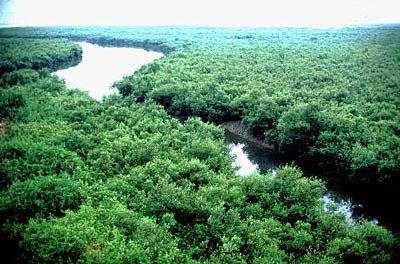
Why Nigeria must invest in mangroves preservation
Nigeria and the world are bleeding biodiversity at an alarming rate. Globally, the United Nations (UN) reports that 420 million hectares of forest, which is roughly the size of the European Union, have been lost since 1990, with mangroves vanishing even faster at 35 per cent of their original extent. In Nigeria, the Niger Delta’s mangrove forests have shrunk by over 40 per cent in the last three decades due to oil pollution, urban sprawl, and aquaculture, wiping out genetic capitals like rare fish species, migratory birds, and resilient plant varieties. This deforestation cascades into dire threats. Rising sea levels erode coastlines. Intensified storms like those ravaging Lagos flood communities. Polluted waters poison fisheries that feed millions. And lost carbon sinks accelerate global warming, portending famines, mass displacements, and economic collapse.
These losses demand urgent action, and mangrove restoration offers a proven lifeline. Restoration involves replanting native species, rehabilitating soils and hydrology, and safeguarding regrowth, directly countering deforestation from agriculture, infrastructure, and pollution. The payoffs are immense: mangroves absorb up to four times more carbon per hectare than terrestrial forests, their “blue carbon” soils locking away CO2 for centuries. They shield coasts from erosion and surges, revive fish nurseries to boost biodiversity and fisheries, filter pollutants for cleaner waters, and sustain livelihoods through fishing, honey harvesting, and ecotourism.
Now, imagine turning these ecosystems into revenue streams. Restored or preserved mangroves are bankable assets in booming carbon markets, where their verifiable CO2 storage yields tradable credits. Projects preventing deforestation or restoring degraded sites quantify sequestration in tonnes of CO2 equivalent (tCO2e), certified under standards like Verified Carbon Standard. With high carbon density and co-benefits like biodiversity and community empowerment, these “premium” credits fetch $50–70 each, far above average, fueling long-term finance. Success stories in The Gambia and Pakistan show how carbon revenue funds massive restoration, monitoring, and local development, transforming mangroves from liabilities into secured investments.
As COP31 approaches, Nigeria must seize this moment. Carbon markets will dominate discussions, offering African nations like ours a chance to monetise coastal assets. But bankability hinges on strong community tenure, transparent monitoring, and equitable benefit-sharing, which translates to turning ecology into enduring wealth.
Nigerian governments should prioritise mangrove zones in national budgets, fast-track policies for carbon credit registration, and integrate restoration into coastal development plans. NGOs like the Mangrove Alliance must scale community-led projects with rigorous baselines for market readiness. Corporate giants in oil, agriculture, and banking, such as Shell, Dangote, or Access, can invest via offsets, earning ESG (Environmental, Social, and Governance) credits while building goodwill. ESG is a framework used to assess how a company or organisation behaves beyond just its financial results, focusing on its impact on the planet, people, and how it is run. Local communities in the Delta and Lagos should lead planting drives, securing rights to carbon revenues for schools and fisheries. Individuals, too, can contribute through donations, volunteer restoration, or advocacy.
The stakes are existential, but the opportunity is golden. By investing in mangroves today, Nigeria does not just fight climate change—we build a bankable green economy for generations.
The post Why Nigeria must invest in mangroves preservation appeared first on Vanguard News.