
Updated: Gov’t saved ₦15.8trn from subsidy removal — Oyedele
…Says wage bill exceeded subsidy savings
…Insists reforms reduced borrowing burden, not created cash windfall
…Abu Dhabi loan to diversify funding sources, says DMO DG
By Emma Ujah, Abuja Bureau Chief
ABUJA — The Federal Government yesterday said Nigeria recorded estimated savings of ₦15.8 trillion from the removal of fuel subsidy and liberalisation of the foreign exchange market between June 2023 and December 2025, but stressed that the reforms did not leave the government with a huge pool of cash as widely believed.
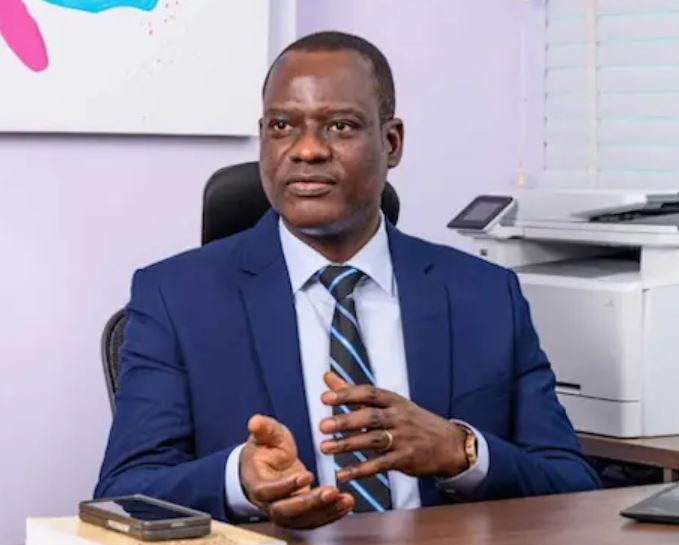
The Minister of Finance and Coordinating Minister of the Economy, Mr. Taiwo Oyedele, disclosed this in Abuja while presenting the scorecard of the administration’s economic reforms.
Oyedele explained that the ₦15.8 trillion savings were shared among the three tiers of government and other statutory beneficiaries.
According to him, the Federal Government received ₦5.43 trillion, while state governments received ₦6.52 trillion and local government councils ₦3.88 trillion.
He said the Federal Government generated about ₦20.4 trillion in incremental resources during the period from subsidy savings, increased revenues and borrowing, but spent approximately ₦30.64 trillion on wages, debt servicing, infrastructure, electricity support and other obligations.
“The figures tell a financing story, not simply a savings story,” Oyedele said.
He explained that the subsidy savings primarily eased fiscal pressure and reduced the amount the government would otherwise have needed to borrow.
“The ₦15.8 trillion commonly described as subsidy savings was not retained by the Federal Government alone. It was shared across the Federal, State and Local Governments, as well as other statutory beneficiaries.
“When combined with ₦3.12 trillion in other incremental revenues and ₦11.85 trillion in incremental borrowing, the Federal Government had about ₦20.4 trillion in incremental resources.
“Over the same period, additional expenditure amounted to approximately ₦30.64 trillion. Subsidy removal therefore did not create one large pool of cash available to the Federal Government. It simply reduced a major fiscal burden and the amount of borrowing that would otherwise have been required.”
Wage bill exceeds subsidy savings
Oyedele disclosed that the Federal Government spent ₦9.39 trillion on wages during the period under review, largely due to the new national minimum wage, wage awards, allowances and other personnel costs.
He added that ₦9.37 trillion was spent on servicing external debt, reflecting the higher naira cost of meeting foreign currency obligations following exchange rate depreciation.
According to him, ₦6.47 trillion was invested in strategic infrastructure covering transport, housing, agriculture and security projects, while another ₦3.14 trillion was spent on electricity subsidy to cushion consumers from the impact of higher tariffs.
Why government still borrows
The minister said the Federal Government continued to borrow because its revenue remained insufficient to finance its expenditure.
He explained that about two-thirds of the additional spending was financed through incremental resources generated by the reforms, while the balance came from existing government revenue.
“Subsidy removal resulted in less borrowing than would otherwise have been required, rather than eliminating the need to borrow,” he said.
Oyedele added that all government borrowing remained subject to approval by the National Assembly and compliance with existing fiscal and debt management laws.
How funds were deployed
The minister said resources generated through the reforms had been channelled into programmes designed to improve citizens’ welfare and stimulate economic growth.
He listed salary increases, timely payment of salaries and pensions, settlement of pension arrears and gratuities, expansion of the Nigerian Education Loan Fund, NELFUND, and affordable consumer and small and medium enterprise credit schemes among the initiatives supported by the resources.
He also listed major infrastructure projects funded during the period, including the Lagos-Calabar Coastal Highway, estimated at ₦2.23 trillion; Sokoto-Badagry Super Highway, ₦1.11 trillion; Trans-Sahara Super Highway, ₦489.2 billion; and the Road Emergency Intervention Project, ₦366 billion.
Oyedele acknowledged that the reforms had imposed significant hardship on Nigerians but said the government had introduced social intervention programmes to cushion their effects.
Abu Dhabi loan to diversify funding sources
Meanwhile, the Director-General of the Debt Management Office, DMO, Ms. Patience Oniha, said the Federal Government’s loan arrangement with First Abu Dhabi Bank was aimed at diversifying the country’s funding sources and securing financing on competitive terms.
She said the transaction followed due process, having received National Assembly approval and complied with relevant provisions of the Fiscal Responsibility Act.
“The objective is to diversify our resource base and access funding at competitive rates while maintaining transparency and compliance with the country’s debt management framework,” Oniha said.
The post Updated: Gov’t saved ₦15.8trn from subsidy removal — Oyedele appeared first on Vanguard News.