
U.S hits Nigeria, 7 African nations with 12.5% tariff over forced labour claims
By Nkiruka Nnorom
The United States has slapped Nigeria and seven other African countries with a 12.5 percent tariff on their exports to America over alleged failure to curb forced labour in supply chains.
The action, taken under Section 301 of the US Trade Act of 1974 by the Office of the United States Trade Representative, USTR, was part of a sweeping measure against 38 economies that the US accused of failing to impose and effectively enforce a prohibition on the importation of goods produced with forced labour after launching an investigation into 60 economies.
Aside from Nigeria, other African countries affected are Algeria, Angola, Egypt, Libya, Mauritania, Morocco and South Africa.
The USTR said the affected nations have not put in place or enforced measures strong enough to block goods made with forced labour from entering their markets.
Unlike that broad measure aimed at correcting trade imbalances, the new tariff is targeted specifically at labour-related practices.
According to the USTR, which announced the outcome of its final investigation and decision on Thursday, countries that fail to stop the import of goods produced with forced labour gain an unfair edge by allowing cheaper products to flood global supply chains and argue that this distorts competition and undermines American workers and businesses.
The agency added that the lapse burdens and restricts U.S commerce by exposing American producers to unfair competition both in the U.S and abroad, while also diverting goods made without forced labour out of foreign markets and into America.
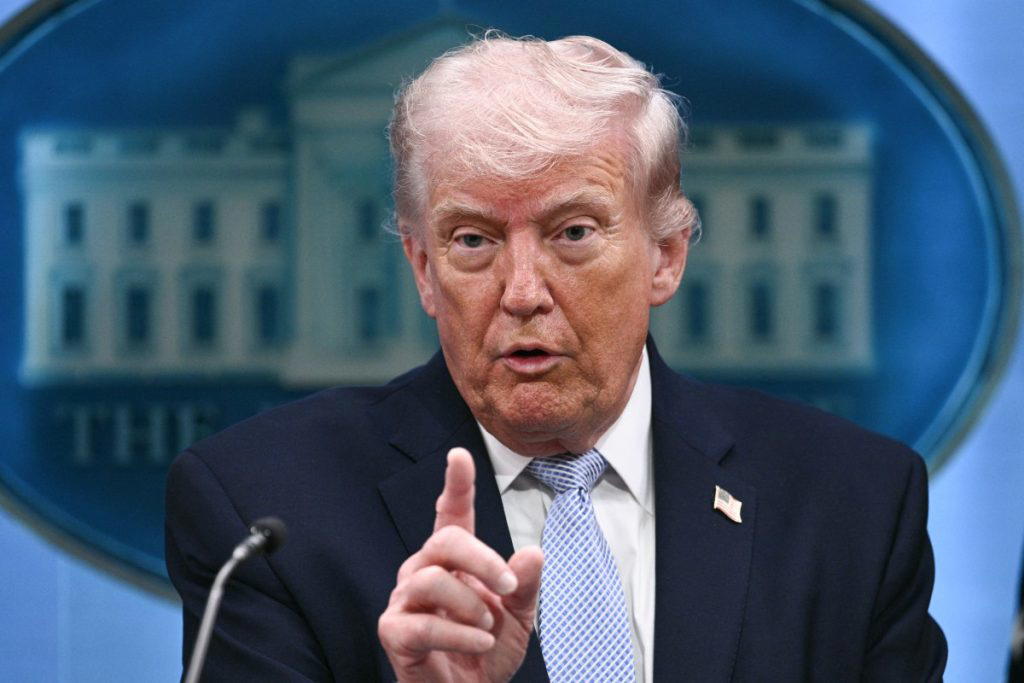
Commenting on the latest action, Trade Representative, Ambassador Jamieson Greer, said: “President Trump recognizes that decades of moral suasion have not eradicated forced labour from global supply chains. The United States has had a forced labour import ban for nearly a century, and rigorously enforces it; it’s well past time for our trading partners to do the same.
“Today’s action will begin to correct what is both a human rights abuse and distortive trade practice to improve the welfare of workers everywhere. I am encouraged by the trading partners who have moved quickly to adopt forced labour import prohibitions, and look forward to ensuring their effective enforcement.”
USTR, which initiated investigations earlier on 60 economies in June, found that countries including Argentina, Bangladesh, Cambodia, Canada, Ecuador, El Salvador, Guatemala, Honduras, India, Indonesia, Jordan, Malaysia, Mexico, Pakistan, Sri Lanka, Trinidad and Tobago, and the United Kingdom, were either now taking steps to impose a forced labour import prohibition; have committed to impose and enforce such a prohibition through an Agreement on Reciprocal Trade; or imposed a partial regime with the effect of preventing the importation of certain forced labour goods, and imposed a 10 per cent on them.
Following the investigation, the USTR also determined that 10 percent or 12.5 percent, net of Most-Favored-Nation (MFN) rate was the appropriate rate of Section 301 duties for certain products of the European Union, Taiwan, Japan, Korea, and Switzerland, while the rest of the other investigated economies, including Nigeria had 12.5 per cent tariff imposed on them.
“The measure is about leveling the playing field,” USTR had said in a statement prior to the fresh move, adding that only economies with credible legal and enforcement frameworks to keep such goods out would be spared.
The post U.S hits Nigeria, 7 African nations with 12.5% tariff over forced labour claims appeared first on Vanguard News.