Trump ‘Unbundles’ the UN: Inside the Controversial ‘Board of Peace’ Splitting the World
DAVOS — It is no longer just a threat; the “unbundling” of the United Nations has officially begun.
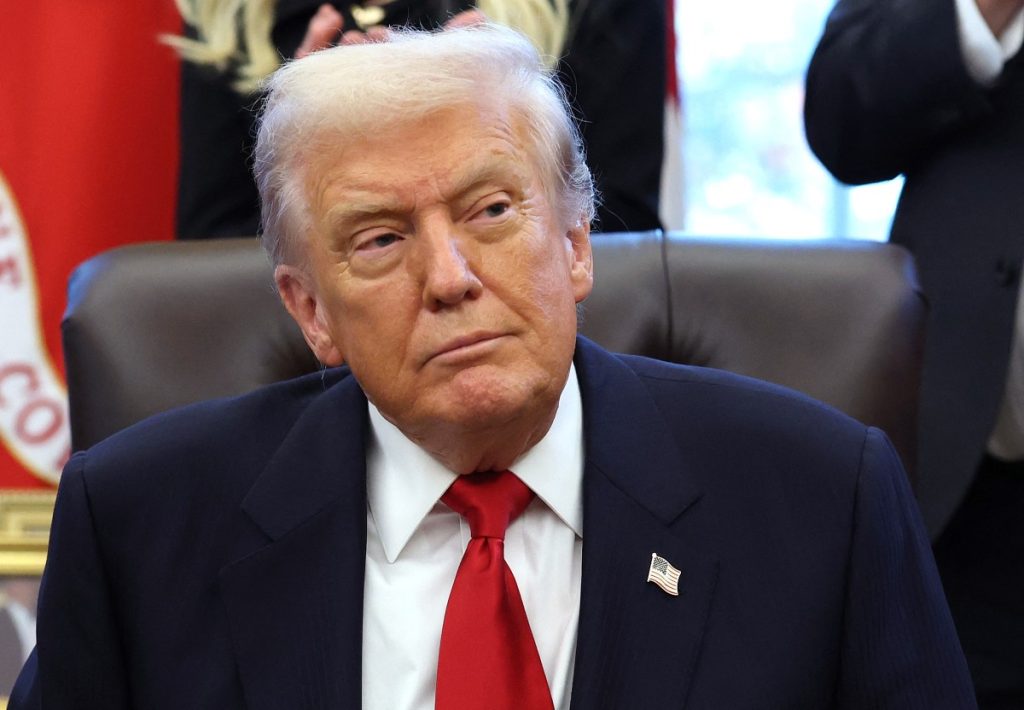
On Thursday at the World Economic Forum in Davos, U.S. President Donald Trump launched his much-debated “Board of Peace,” a new international body that critics fear is designed to dismantle the UN’s monopoly on global governance.
This launch comes just days after the White House announced the U.S. withdrawal from 66 international bodies (including 31 UN agencies), signaling a strategic shift: Trump is breaking global diplomacy into pieces, and he is selling the premium seats for $1 billion.
Here is a glance at the new world order: who is buying in, who is opting out, and why this Board is the most divisive project of 2026.
The “For” Camp: The Disrupters and The Buyers
Leaders and officials from 19 nations stood on stage with Trump to sign the founding charter. For this bloc, the UN is a “bloated, talk-heavy” relic, and the Board of Peace is the new, efficient “VIP club.”
- Who They Are:
- The Ideological Allies: Argentina’s President Javier Milei and Hungary’s PM Viktor Orbán (Founding Members).
- The Financiers: Saudi Arabia, Qatar, and UAE (Nations with the liquidity to easily meet the $1bn “permanent seat” threshold).
- The Strategic Players: Indonesia, Pakistan, Jordan, and Kazakhstan.
- Why They Joined:
- Direct Access: In a “pay-to-play” world, membership guarantees direct access to the U.S. President, bypassing the State Department bureaucracy.
- Gaza Reconstruction: The Board’s immediate mandate is managing the post-war reconstruction of Gaza. Arab nations want a seat at the table to ensure the funds are not mismanaged.
- Sovereignty: Milei and Orbán see the Board as an anti-globalist alliance that respects national sovereignty more than the “meddlesome” UN human rights councils.
The “Against” Camp: The Traditionalists
The absence of America’s oldest allies was glaring. The United Kingdom and France led the boycott, viewing the Board as an existential threat to the rule of international law.
- Who They Are:
- The Western Core: France, Germany, UK, Norway, and Sweden.
- The Global South Critics: Brazil and South Africa (who view the cost as exclusionary).
- Why They Refused:
- The “Pay-to-Play” Model: Critics argue that pegging permanent membership to a $1 billion cash contribution turns peace into a luxury product. “Peace should not have a price tag,” a French diplomat noted.
- Unbundling the UN: They fear this is a deliberate strategy to “starve” the UN. By withdrawing U.S. funding from UN agencies and diverting it to this Board, Trump is effectively creating a rival “Trump United Nations” where he holds the veto power as indefinite Chairman.
- Lack of Accountability: Unlike the UN, where the Secretary-General is elected, the Board’s charter allows Trump to appoint his successor, raising fears of a dynastic global structure.
The Bigger Picture: The “Unbundling” Strategy
Analysts at Davos believe the Board is just one piece of a larger puzzle. By pulling out of specific UN agencies (like the UNFPA and UNCTAD) and creating bespoke bodies like the Board of Peace, Trump is treating global governance like a cable TV package—canceling the channels he dislikes and building a streaming service for the ones he controls.
“The era of universal diplomacy is over,” said geopolitical analyst Ian Bremmer. “We are entering the era of subscription-based security.”