
Goodbye Plastic PVCs, Hello N10 Billion Campaigns: Inside the Senate’s Radical 2026 Electoral Act Amendments
ABUJA — The Nigerian Senate has entered a crucial closed-door session to finalize the Electoral Act (Repeal and Re-enactment) Bill 2026, a sweeping piece of legislation that promises to permanently alter how Nigerians vote, starting with the 2027 general elections.
While the House of Representatives has already passed the bill, the Senate paused open plenary on Thursday to conduct a clause-by-clause review of the recommendations submitted by Senator Simon Lalong, Chairman of the Senate Committee on Electoral Matters.
The proposed law introduces radical technological upgrades, including the abolition of mandatory physical Permanent Voter Cards (PVCs) and the legal recognition of Diaspora Voting. However, civil society groups are raising alarms over provisions that effectively double campaign spending limits.
The Game Changers: Digital PVCs and Electronic Transmission
To cure the logistical nightmares of previous elections, the 2026 bill introduces heavy reliance on technology.
- The Digital PVC: Under the new amendments, the Independent National Electoral Commission (INEC) will issue electronically generated voter identification. Voters can download a digital card embedded with a unique QR code. If a voter forgets their card, the law now permits them to vote using their National Identification Number (NIN) slip, Nigerian Passport, or Birth Certificate.
- Electronic Transmission Legalized: The bill gives full legal backing to the electronic transmission of election results to the INEC Results Viewing (IReV) portal. It mandates Collation Officers to cross-check polling unit physical sheets against the electronically transmitted data, stripping them of the power to manipulate figures manually.
- Diaspora and Prisoner Voting: For the first time, Nigerians living abroad and eligible prison inmates will gain the legal right to vote, expanding the nation’s democratic net.
The Controversy: “Legalizing Money Politics”
While the technological upgrades have drawn widespread praise, the financial amendments have sparked outrage for favoring wealthy politicians.
- Spending Caps Doubled: The bill raises the campaign expenditure limit for Presidential elections from N5 billion to a staggering N10 billion. Governorship campaign limits have also seen a similar 100% hike.
- Donation Limits: Wealthy individuals can now legally donate up to N500 million to a single candidate, a massive jump from the previous N50 million limit. Analysts warn this opens the door for state capture by private billionaires.
Akpabio: “We Will Not Rush”
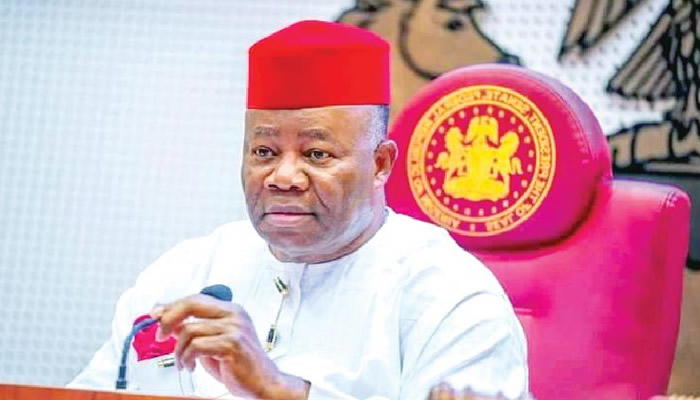
Senate President Godswill Akpabio defended the Senate’s decision to retreat into a closed-door session, noting that the stakes for 2027 are too high to ignore. “This is a very important bill, especially as it is election time,” Senator Akpabio stated on Thursday. “We must take our time to ensure justice is done to all, so that we do not end up at the tribunal. We want a law that solves problems, not one that creates them.”
INEC Accountability Tightened
The bill also fixes a major administrative flaw within INEC. It finally grants the Commission the power to discipline and suspend Resident Electoral Commissioners (RECs). Previously, RECs were untouchable by the INEC Chairman, answering only to the President who appointed them.
As the Senate prepares to resume open debate, the clock is ticking. INEC is legally required to publish the 2027 election timetable 360 days before the polls, making the swift passage of this Electoral Act a national emergency.