
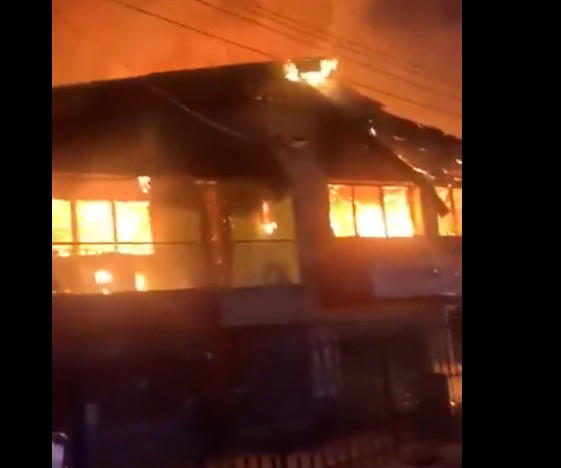
Protecting our markets from fire outbreaks
The recent fire that razed approximately 15 shops at Akpan Andem Market in Uyo, Akwa Ibom State, is a heart-wrenching reminder of the precarious existence of Nigerian market traders. The tragedy is particularly poignant because it was preventable. The fire truck meant to contain the blaze had no diesel, leaving traders to watch helplessly as their livelihoods turned to ashes.
This is the quintessential story of Nigerian markets, where traders operate in perpetual vulnerability. Nigerian markets are ticking time bombs. Overcrowded structures built haphazardly, illegal electrical connections, and the storage of flammable goods in close proximity create ideal conditions for fire disasters. Narrow walkways prevent emergency vehicles from accessing the heart of the blaze.
In Akpan Andem Market, a faulty electrical socket sparked the inferno that consumed millions of Naira worth of goods. The International Federation of Red Cross has documented similar patterns globally, where informal markets suffer disproportionately from fires due to inadequate infrastructures and weak regulatory enforcement. Yet what makes the Nigerian tragedy unique is not just the frequency of these fires, but the systemic neglect that follows.
Traders are left completely prone. Most operate without insurance, viewing premiums as unnecessary expenses rather than vital protection. They lack access to functional fire extinguishers or basic fire safety training. When disaster strikes, they face total financial emasculation, and are forced to rebuild from scratch while accumulating debt. The human cost extends beyond money—families lose their primary income source, children’s education is jeopardised, and communities fracture under the economic strain.
This must stop. Governments must mandate and fund regular fire safety inspections in all markets, with clear penalties for non-compliance. Dedicated market fire stations equipped with functional vehicles and trained personnel must be established within walking distance of major commercial hubs. Also, electrical infrastructure must be professionalised, with certified electricians installing and maintaining power systems while illegal connections are systematically eliminated.
Mandatory micro-insurance schemes should be implemented for all market traders, subsidised for those who cannot afford premiums, creating a safety net that prevents total devastation. The Akwa Ibom State Government bears significant responsibility for this preventable disaster. Their inability to properly maintain their fire service, evidenced by the diesel-short truck, directly contributed to the extent of the losses.
The state must fully compensate the affected traders, enabling them to rebuild their businesses and resume their lives. This is accountability. Traders must also take ownership of their survival. The culture of avoiding insurance must change urgently. Business insurance, even at modest coverage levels, is the difference between temporary setback and permanent ruin. Market associations should organise group insurance schemes that reduce premiums through collective bargaining. Government and NGOs should facilitate insurance education programmes specifically targeting market communities. Nigerian markets can transform from disaster zones into thriving, safe commercial hubs.
The post Protecting our markets from fire outbreaks appeared first on Vanguard News.