
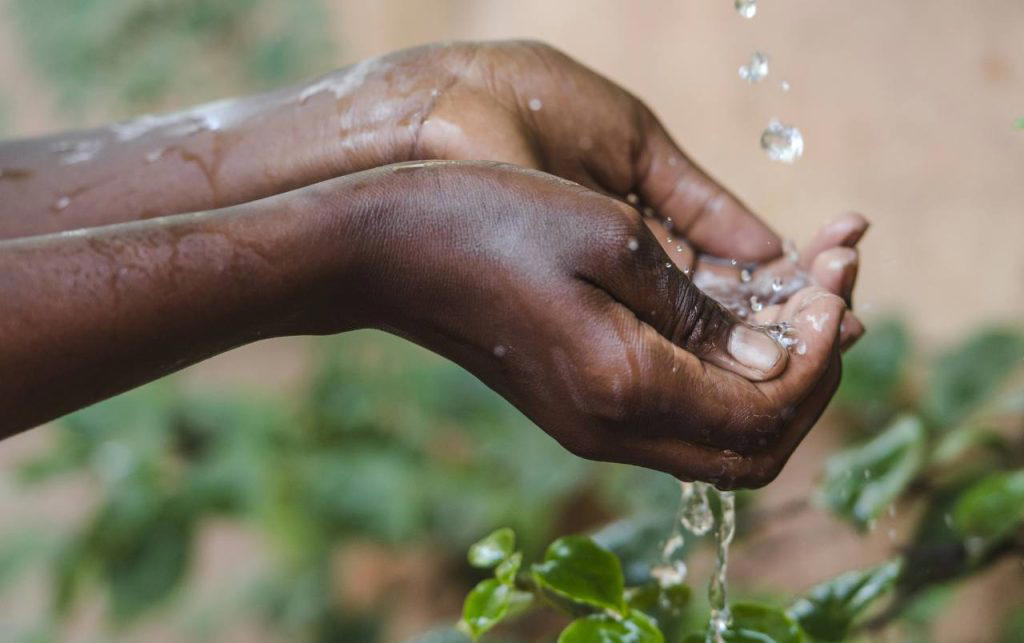
Poor Water Access: Nigerians suffering, dying daily — CSOs, farmers
By Gabriel Ewepu
AS the legendary and iconic Nigerian musician of blessed memory, Fela Anikulapo Kuti, puts it, “water no get enemy”, and now a globally accepted expression about the importance of the number one liquid God gave to humanity.
Unfortunately, this precious treasure of God is hard to access in Nigeria as safe drinking water, irrigation purposes, and other industrial uses, which ironically, every year, Nigeria joins the rest of the world to commemorate World Water Day, as she also marked the 2026 edition held on March 22,2026, with the theme, ‘Water and Gender: Where Water Flows, Equality Grows’.
Meanwhile, these commemorations come with a lot of policy statements and goodwill messages to reflect on the Day while the water debacle continues to frustrate Nigerians despite having abundance of water resources. Sadly, in Nigeria the deficit in water supply is overwhelmingly alarming as millions of Nigerians do not have access to clean and drinkable water.
According to the United Nations Children Education Fund, UniCEF, Nigeria has huge deficit in water supply – 86% of Nigerians lack access to a safely managed drinking water source; 70% of Nigerians have “basic water services,” but more than half of those sources are contaminated; Only seven per cent have piped water in their home, and just 31% have water on premises; 73% have access to a water source, but only nine litres per person is available daily on average. The UN benchmark for basic needs is 20 litres per person per day; 25% of Nigerians still use unsafe water.
In this vein, Civil Society Organizations, CSOs, and farmers who spoke with Vanguard lamented the negative impact of the water challenge at different fora with little or no efforts at different levels of government to ameliorate the plight of Nigerians as waterborne diseases continue to ravage the health of Nigerians including difficulty in food production with all year round access to water supply.
Humongous annual budgetary allocations, no potable water – RDI
The Executive Director, Renevlyn Development Initiative, RDI, Philip Jakpor, while expressing concerns over the water supply situation in Nigeria said, Nigerians have resorted to self-help to keep life going.
Jakpor said: “The reality is that for decades the government at federal, state and local government levels have failed the people.
“Yearly there are humongous sums budgeted for the water ministry but everywhere throughout the federation all you see are dry taps. Because of the failure of the government in the provision of potable and affordable water Nigerians have resorted to self help.”
He continued, “Painfully, this has come at great cost to the pockets of Nigerians, our health and our environment.
“Great cost because most Nigerians drill boreholes or patronise water vendors who get water from unwholesome sources.
“Health because the unwholesome sources our people depend on for water expose them to water-borne diseases including cholera and dysentery.
“On the environment the resort to self-help means indiscriminate drilling of boreholes by those who have the means and it is a major and emerging disaster especially in cities like Lagos. But we can’t blame the people. It is the failure of government that we should zero in on. Our people are mere victims.
No synergy between federal and state govts to manage water resources
Meanwhile, the RDI boss asserted that there is no synergy between the federal and state governments to manage water resources to better the lives of Nigerians.
“There are many issues affecting access and the equitable distribution of the nation’s water resources. A key one is that there’s no synergy between the federal and state governments in managing Nigeria’s water resources.
“That is why you have a ministry like that of water resources focused more on humanitarian work of sharing rice when there’s a disaster rather than its core work of developing, managing, and regulating our water resources in concert with the states to ensure adequate water for immediate and long term use by Nigerians.
“There has to be a new thinking on provision of water by the government which should center on human rights. That’s the direction the world is going. Our government still portrays access to water as something of a privilege and not a right and this thinking is responsible for the growing numbers of states shirking their responsibility to the citizens and opting instead for water privatisation.
“Then there’s also the need for innovative financing of water which must accommodate everyone. Our government at all levels are all too eager to run to the IMF and other agencies that chain African countries to generational debts. We must address these issues if we are serious about managing our water resources sustainably.”
Water’s never treated as an essential resource
He (Jakpor) said, “It is all about getting our priorities right as a nation. Water has never been treated as an essential resource by our government and it is reflected in the annual votes for water that are humongous but usually grow wings and fly away.
“As it is at the federal level, so also at the states and those at the helm of affairs do not want to do anything about it because they are beneficiaries. So it is about the political will to address the issues and stopping the corruption that has brought virtually all sectors including water to their knees.”
Our stand: Access to
water it’s human right
“The Renevlyn Development Initiative (RDI) is involved in federal, state and community level advocacy and mobilisation of local communities to demand that access to water should be recognised as a human right.
“What this means is that we need to remove all the entanglements of privatisation and other false initiatives suggested and foisted on us by the IMF and other promoters of commodification of water and then prioritising consultation and public participation in decision making concerning water”, he stated.
Access to safe drinking water remains limited, highly unequal – ActionAid
In its reaction to access to potable and safe drinking water by Nigerians, ActionAid Nigeria, AAN, asserted that based on its assessment, access to safe drinking water remains limited and highly unequal.
The Country Director, AAN, Dr Andrew Mamedu said, “Based on ActionAid Nigeria’s field experience and available national data, it would be inaccurate to say that Nigerians broadly have access to clean and drinkable water. While Nigeria is naturally endowed with significant water resources, access to safe drinking water remains limited and highly unequal.
“According to estimates by UNICEF and the World Health Organisation in 2021, over 60 million Nigerians lack access to basic drinking water services, and many more rely on water sources that are unsafe or unreliable.
“Only a fraction of households have access to safely managed drinking water, defined as water that is accessible on premises, available when needed, and free from contamination.”
Bedeviling factors
“The root causes of this gap are multi-layered. A major factor is chronic underinvestment in water infrastructure, particularly in rural areas and peri-urban communities, where systems are either non-existent or have fallen into disrepair.
“Even where infrastructure has been installed, poor maintenance culture and weak institutional capacity often lead to rapid breakdown of facilities such as boreholes and public water schemes.
“Another key issue is governance and accountability challenges within the water sector. Fragmentation of responsibilities across federal, state, and local governments has resulted in weak coordination, while issues such as mismanagement of funds and lack of transparency have limited effective service delivery.
“Rapid population growth and urbanisation have also placed immense pressure on existing water systems, especially in informal settlements where public services are least available. In these areas, residents are often forced to rely on private vendors who sell water at significantly higher costs without guaranteeing quality.
“Environmental and climate-related factors further worsen the situation. Pollution of water sources, including contamination from industrial waste, agricultural runoff, and poor sanitation practices, has reduced the availability of safe water. At the same time, climate variability, including prolonged droughts and flooding, disrupts water supply systems and contaminates existing sources.
“Importantly, the burden of this crisis is not evenly distributed. Women and girls are disproportionately affected, as they often bear the responsibility of fetching water, sometimes walking several kilometres daily. This exposes them to safety risks and limits opportunities for education or economic participation.
Fundamental shift required on water governance, finance, and delivery
Mamedu also pointed out that “Nigeria’s abundant water resources present a significant opportunity, but ensuring that Nigerians can truly access and enjoy affordable water requires a fundamental shift in how water is governed, financed, and delivered.
“Access to affordable water depends largely on strengthening public water systems so that they function efficiently and equitably.
“When government-led water infrastructure is adequately funded, properly maintained, and transparently managed, it reduces reliance on expensive informal water markets that disproportionately affect low-income households.
“In many urban poor communities today, families pay far more per litre of water than wealthier households connected to piped systems, which highlights deep inequities in access.
“Equally important is ensuring that water policies are deliberately pro-poor. Affordability cannot be achieved without pricing structures and subsidies that protect vulnerable populations, particularly those living in poverty, informal settlements, and rural communities.
“At the same time, communities must be actively involved in the planning and management of water systems. Evidence has shown that when communities, especially women, have a voice in how water resources are managed, systems are more sustainable and responsive to local needs.
“Improving access to affordable water also requires tackling systemic governance challenges, including corruption and inefficiencies that divert resources away from service delivery.
“Without transparency and accountability, investments in the sector will continue to yield limited results. As climate change continues to affect water availability, investments must increasingly focus on climate-resilient infrastructure that can withstand environmental shocks and ensure continuity of supply.
“Ultimately, affordable water access is not just a technical issue but a question of political will and social justice. Treating water as a fundamental human right rather than a commodity is essential to ensuring that no one is left behind.”
Upscale water supply for increased food production all year round
“From an economic perspective, ensuring that Nigerian farmers have access to water throughout the year is critical for strengthening food systems, reducing poverty, and enhancing national resilience. Agriculture in Nigeria remains largely rain-fed, which makes farmers highly vulnerable to seasonal variability and climate shocks.
“To address this, there is a need for sustained investment in irrigation infrastructure that enables farmers to cultivate crops beyond the rainy season. Currently, only a small proportion of Nigeria’s arable land is under irrigation, which significantly limits productivity.
“Expanding access to irrigation, particularly for smallholder farmers who make up the majority of the agricultural workforce, would enable multiple planting cycles, increase yields, and stabilize incomes.
“However, infrastructure alone is not sufficient. Farmers must also be supported to adopt water-efficient and climate-smart agricultural practices. Techniques such as rainwater harvesting, drip irrigation, and improved soil management can significantly enhance water use efficiency while reducing environmental degradation.
“Access to affordable financing is equally important, as many smallholder farmers lack the resources to invest in these technologies.
“Effective water resource management is also essential to balance competing demands across sectors. Agriculture accounts for a significant share of water use, and without proper planning, there is a risk of over-extraction and depletion of water sources.
“Integrated approaches that consider domestic, agricultural, and industrial needs are necessary to ensure long-term sustainability.
“Strengthening extension services and farmer education will play a key role in this process. When farmers have access to the right knowledge, tools, and support systems, they are better positioned to adapt to changing climate conditions and optimize water use for increased productivity.”
Our role, contribution and impact
Meanwhile, the AAN’s Country Director, Dr Andrew Mamedu, explained the role, contribution and impact of his organization in Nigeria’s water resources sector as a stakeholder.
He said, “ActionAid Nigeria is working to improve access to safe and quality water through a combination of direct community interventions, policy advocacy, and systems strengthening.
“Our approach recognizes that sustainable access to water goes beyond infrastructure and requires empowering communities, influencing policy, and addressing underlying inequalities.
“In communities where access is most limited, we support the provision and rehabilitation of water facilities such as boreholes and community water systems, ensuring that they are functional and accessible to those who need them most.
“These interventions are designed with strong community ownership models, where local structures are established to manage and maintain the facilities, which improves sustainability over time.
“Beyond service delivery, ActionAid Nigeria actively engages in advocacy to influence government policies and budgetary allocations towards the water, sanitation, and hygiene sector.
“We work with stakeholders at national and subnational levels to promote increased investment, transparency, and accountability in the management of water resources. This includes pushing for policies that prioritize marginalized communities and address gender inequalities in access to water.
“Our work also integrates water access with broader development outcomes, particularly in health, education, and livelihoods. By promoting hygiene education and linking water access to improved sanitation practices, we contribute to reducing the incidence of waterborne diseases.”
He continued, “In schools and communities, we support initiatives that ensure children, especially girls, have access to safe water, which improves school attendance and overall well-being.
“Importantly, ActionAid Nigeria adopts a gender-responsive approach in all its interventions, recognizing that women and girls are disproportionately affected by water scarcity. By supporting their leadership in water governance structures and reducing the burden of water collection, we contribute to greater gender equality and social inclusion.
“In emergency and humanitarian contexts, we also provide immediate access to safe water to prevent disease outbreaks and support affected populations.
“Across all our work, we remain committed to the principle that access to clean water is a fundamental human right and a cornerstone of sustainable development.”
Access to water remains most critical barrier to achieving sustainable food production – JetFarmsNG
In another reaction, the Chief Farmer of Africa and Lead JetFarmsNG, Jeremiah Olanrenwaju lamented access to water remains most critical barrier to achieving sustainable food production.
Olanrenwaju said, “At Jet FarmsNG, through our Farmers Support Project, our on-ground engagement with smallholder farmers across Nigeria clearly shows that access to water remains one of the most critical barriers to achieving sustainable food production.
“While agriculture in Nigeria is still largely rain-fed, the growing unpredictability of rainfall due to climate change has made this model increasingly unreliable.
“Many farmers lack access to irrigation infrastructure such as boreholes, canals, or water storage systems, forcing them to farm only during the rainy season and leaving vast arable land unused during dry periods.
“This limitation reduces productivity, shortens planting cycles, and increases vulnerability to crop failure. In addition, the high cost of alternative water sourcing methods, such as diesel-powered pumps, further discourages farmers from expanding production.
“The result is a persistent gap between food demand and supply, contributing to rising food prices and food insecurity. Without deliberate and large-scale interventions to improve water access, farmers will continue to operate below their full potential, and Nigeria’s goal of achieving food security and agricultural transformation will remain difficult to attain.”
He further stated that, “Improving access to water for food production requires a deliberate mix of infrastructure development, technological innovation, and farmer empowerment.
“At Jet FarmsNG, we are advancing practical solutions through our Farmers Support Project by promoting climate-smart irrigation systems such as drip irrigation, water harvesting, and small-scale irrigation schemes tailored to rural communities.”
He further stated that, “A key part of our intervention is the planned deployment of solar-powered irrigation pumps, which will enable farmers to access water sustainably without relying on expensive and environmentally harmful diesel-powered alternatives.
“This solution allows for year-round farming, reduces production costs, and increases overall efficiency. In addition, we emphasize community-based water systems that can serve clusters of farmers, ensuring inclusivity and shared access.
Meanwhile, according to him, “Beyond infrastructure, strengthening public-private partnerships is essential to mobilize funding and scale these solutions across the country.
“We also prioritize farmer training, equipping them with knowledge on water conservation, soil moisture management, and crop selection suited to available water conditions.
“When farmers are supported with the right tools, knowledge, and energy-efficient technologies, water becomes not just accessible, but a catalyst for increased productivity, resilience, and sustainable agricultural growth.”
“In my role as the Chief Farmer of Africa and through the work we do at Jet FarmsNG, I have learned that effective water management is not just about availability, but about efficiency, sustainability, and knowledge.
“Through our Farmers Support Project, we work closely with farmers to adopt climate-smart agricultural practices that optimize water use and reduce waste.
“This includes introducing efficient irrigation methods, promoting mulching and soil management techniques that improve water retention, and guiding farmers in selecting crops that align with their local water conditions.
“We also leverage technology and traceability systems to monitor farming practices and ensure that resources, including water, are used responsibly across our network.
“Our experience shows that when farmers are equipped with the right knowledge and supported with appropriate tools, they can significantly increase yields even in water-scarce environments.
“By focusing on efficiency and sustainability, we are helping farmers transition from subsistence practices to more productive and commercially viable systems. This approach not only boosts agricultural output but also strengthens farmers’ resilience against climate variability and economic shocks”, he added.
Our call
“Our call to government at all levels is to treat water access as a strategic national priority that directly impacts food security, economic development, and social stability. Farmer-herder conflicts in many parts of Nigeria are largely driven by competition over scarce natural resources, particularly water and grazing land.
“To address this, there is an urgent need for the development of well-structured grazing reserves equipped with reliable water points to support livestock production and reduce migration pressures. At the same time, government must invest in rural irrigation infrastructure to support crop farmers and minimize resource-based conflicts.
“Clear policies and enforcement mechanisms around land and water use are also essential to ensure equitable access and prevent disputes. Furthermore, promoting integrated farming systems that encourage collaboration between crop farmers and livestock producers can foster peaceful coexistence.
“We also believe that engaging private sector players and farmer organizations in the design and implementation of these solutions will enhance sustainability.
“By addressing water access holistically, the government can not only boost agricultural productivity but also reduce conflict, strengthen rural livelihoods, and promote long-term national stability.”
The post Poor Water Access: Nigerians suffering, dying daily — CSOs, farmers appeared first on Vanguard News.