
Netanyahu Makes U-Turn, Joins Trump’s Controversial ‘Board of Peace’ for Gaza
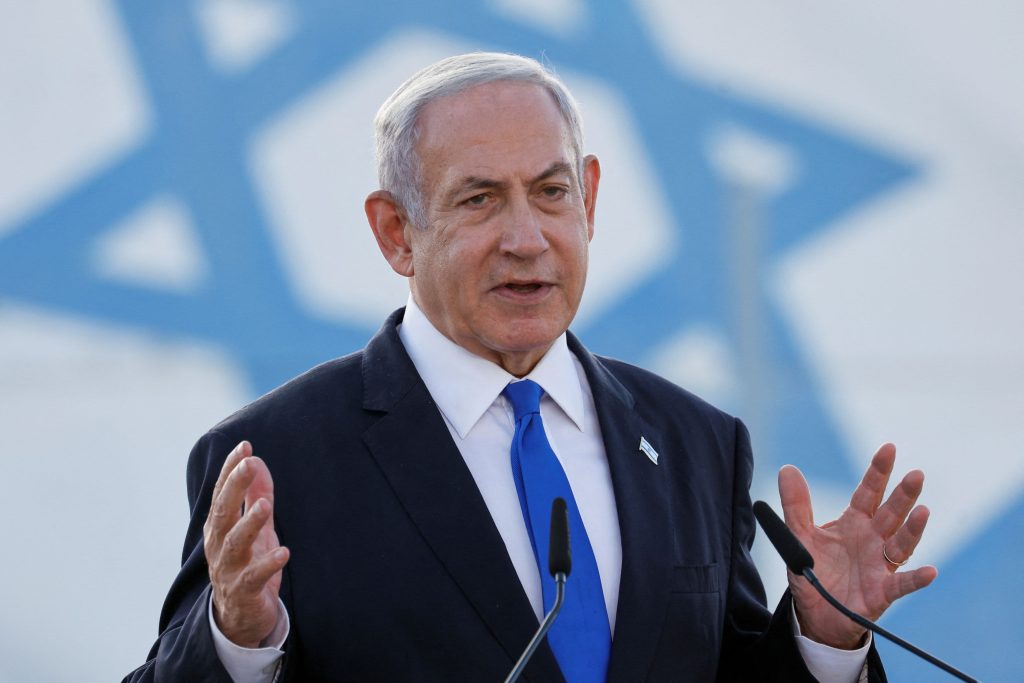
JERUSALEM — Israeli Prime Minister Benjamin Netanyahu has officially agreed to join the United States-led “Board of Peace,” a controversial new international body spearheaded by U.S. President Donald Trump to oversee the post-war governance and reconstruction of the Gaza Strip.
The Prime Minister’s Office confirmed the decision on Wednesday, January 21, 2026, marking a significant reversal from its earlier stance. Just days ago, Israeli officials had sharply criticized the board’s composition, particularly the inclusion of regional rival Turkey and Qatar on its executive committee.
A Strategic Pivot
Netanyahu’s acceptance signals a strategic alignment with the Trump administration’s vision for a “post-Hamas” Gaza, even as it risks friction with his far-right coalition partners who favor total Israeli control over the enclave.
“Prime Minister Benjamin Netanyahu has announced that he accepts the invitation of US President Donald Trump and will become a member of the Board of Peace,” the statement read.
This move places Israel alongside other confirmed members including the United Arab Emirates (UAE), Egypt, Argentina, Morocco, and Hungary.
What is the ‘Board of Peace’?
Unveiled as part of “Phase Two” of a U.S.-brokered ceasefire plan, the Board of Peace is designed to be the supreme authority overseeing Gaza’s transition.
- Chairman: U.S. President Donald Trump (Life Chairman).
- Mandate: To implement a 20-point peace plan, manage reconstruction funds, and supervise a technocratic Palestinian administration known as the National Committee for the Administration of Gaza (NCAG).
- The “Billion Dollar” Club: Permanent membership reportedly requires a $1 billion contribution, a clause that has drawn sharp criticism from Western diplomats.
The board aims to bypass traditional United Nations mechanisms, with President Trump explicitly stating on Tuesday that the “UN never helped me in one war,” suggesting this new body might eventually replace it.
Controversy and Opposition
Netanyahu’s entry into the board is not without domestic and international fallout.
- Domestic Pressure: Far-right ministers like Bezalel Smotrich have previously rejected any plan that involves international governance, preferring Israeli settlement and military control.
- Global Split: While Israel and Arab allies have signed on, major European powers remain hesitant. France has outright refused to join, warning it undermines international law, while Sweden and Norway have also declined. Spain is reportedly leading efforts to forge a common European Union position against the initiative.
The “Gaza Executive” Dilemma
The core of Netanyahu’s initial hesitation was the Gaza Executive Board, a sub-committee tasked with day-to-day operations. This body includes Turkish Foreign Minister Hakan Fidan and Qatari diplomats—actors Israel views with deep suspicion due to their past support for Hamas.
By joining the main Board, Netanyahu likely aims to exert influence from the top, ensuring Israel retains a veto over critical security decisions, including the disarmament of militant groups and the deployment of any international stabilization force.