
Five years after COVID, open defecation returns with vengeance in Cross River
By Emma Una, Calabar
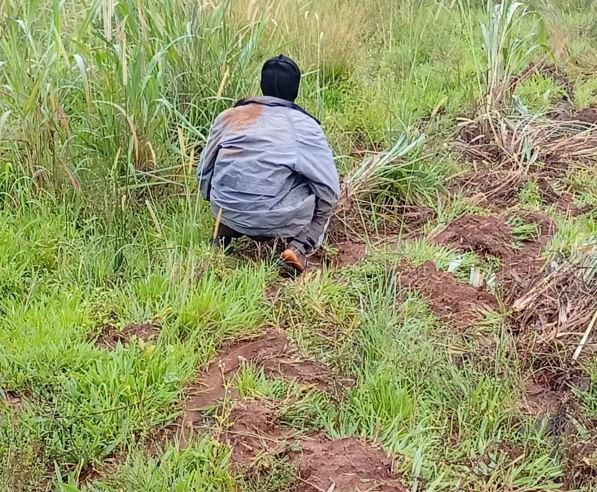
In the early morning haze across Cross River State, a familiar and disturbing ritual unfolds as men and women emerge from their homes, not in search of clean water or breakfast, but in search of a private spot to answer nature’s call.
Read Also: Refuse take over roads in Ondo, Oyo, Ekiti, Ogun
In rural communities, along market streets, and even beside public schools, the practice of open defecation has become so normalised that residents now openly defend it.
“Dem go jail us tire,” a resident told Vanguard, cigarette in hand while squatting near his house. “Do they know the cost of building a toilet this time of the year?”
This defiant attitude represents a massive setback for a state that, between 2016 and 2019, was making significant strides in eliminating open defecation. With assistance from international organisations including Toilet Pride and the Water and Sanitation Hygiene Agency (WASH), the state government embarked on an ambitious drive to ensure every home owned at least one toilet, pit latrine, or water system.
The effort paid off, with six local government areas, namely, Obanlikwu, Obudu, Yakkur, Bekwara, and Abi attaining Open Defecation Free (ODF) status.
Then came 2020, the COVID-19 lockdown that gripped the nation did not just shut down businesses and schools; it effectively killed the state’s momentum on sanitation. With movement restricted and government attention diverted to the pandemic, the ODF drive ground to a halt. Five years later, it remains in a coma.
Open defecation galore
Today, virtually all local government areas have relapsed. People defecate everywhere: in markets, behind homes, at public schools, near joints and drinking spots. Sanitary inspectors, rather than enforcing standards, have reportedly turned their positions into opportunities for extortion, going from home to home collecting money while the environment remains covered in human waste.
The situation is particularly dire in rural areas, where a staggering 90 percent of households lack toilets. Even urban centers like Ugep, Ikom, Ogoja, and Obudu have their own sanitation nightmares with mountains of refuse dumped at street corners, in drainages, and behind residential homes.
What makes the problem particularly intractable is that some residents have come to embrace open defecation as a lifestyle choice. Both males and females squat side by side without inhibition, some with cigarettes or sachets of hot drink, treating the practice as a form of liberation.
“The air blows through their anatomy,” one source explained. Many believe it gives them freedom, while others hold the erroneous belief that open defecation fertilises soil for crops.
A resident who was accosted while defecating near his home encapsulated the prevailing sentiment: “They cannot construct road, bring us electricity or health centre. All they are thinking about is how to jail us for not having toilet.”
Govt kicks
Sunday Ebeku, Managing Director of the Cross River State Rural Water and Sanitation Agency (RUWATSA), paints a sad picture of the consequences. “Open defecation is a threat to health,” Ebeku told Vanguard. “Ninety percent of our people in rural areas defecate in the open. This is not only a nuisance but responsible for many sicknesses and diseases that affect them.”
The health implications are staggering: diarrhoea, intestinal worms, typhoid, and other water-borne diseases plague communities where open defecation is the norm. Children are particularly vulnerable, with chronic diarrhoea contributing to malnutrition and stunted growth.
“Many people in the villages believe open defecation fertilizes the soil for crops to grow,” Ebeku continued. “But the disadvantages of the practice to health far outweigh whatever benefits they think they derive.”
Open Defecation Bill
However, there is hope on the horizon as Governor Bassey Otu has signed the Open Defecation Bill into law, signaling the government’s renewed commitment to tackling the crisis. The new law provides a six-month grace period for those without toilets to construct them. After this window closes, any home or building without a toilet will be liable, with residents facing a potential six-month jail term. “For five years now, open defecation has been the order of the day,” acknowledged Ebeku. “It’s time to reverse this trend.”
The refuse problem
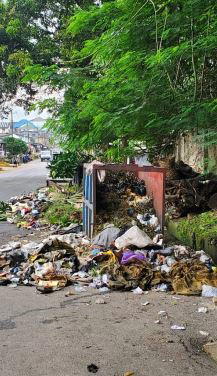
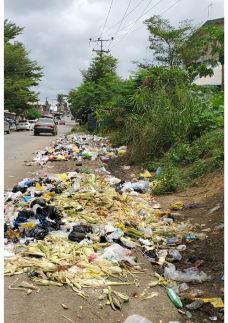
Open defecation is only half the story. Across the state, waste management has collapsed outside Calabar, where refuse bins exist and collection vehicles operate between 6am and 6pm daily. A source at the Cross River Waste Management Authority blamed the lack of bins in other urban areas on bureaucratic hurdles, noting that even in the capital, bins are inadequate and often stolen for scrap metal.
Way forward
The challenge facing Cross River State is immense. It requires not just infrastructure investment but a fundamental shift in attitudes. As the six-month grace period ticks down, questions remain: Will the government follow through on enforcement? Will residents who have spent years resisting toilets finally embrace them? And will the state’s waste management system be reformed to serve all communities, not just the capital?
Vanguard News
The post Five years after COVID, open defecation returns with vengeance in Cross River appeared first on Vanguard News.