
“The Money Belongs to Nigerians”: FG Defends Executive Order 9 as Scrutiny Mounts Over NNPC Reforms
ABUJA — The Federal Government has come out in strong defense of Presidential Executive Order No. 9 of 2026, describing it as the “ultimate cure” for decades of structural leakages in the nation’s oil and gas finances.
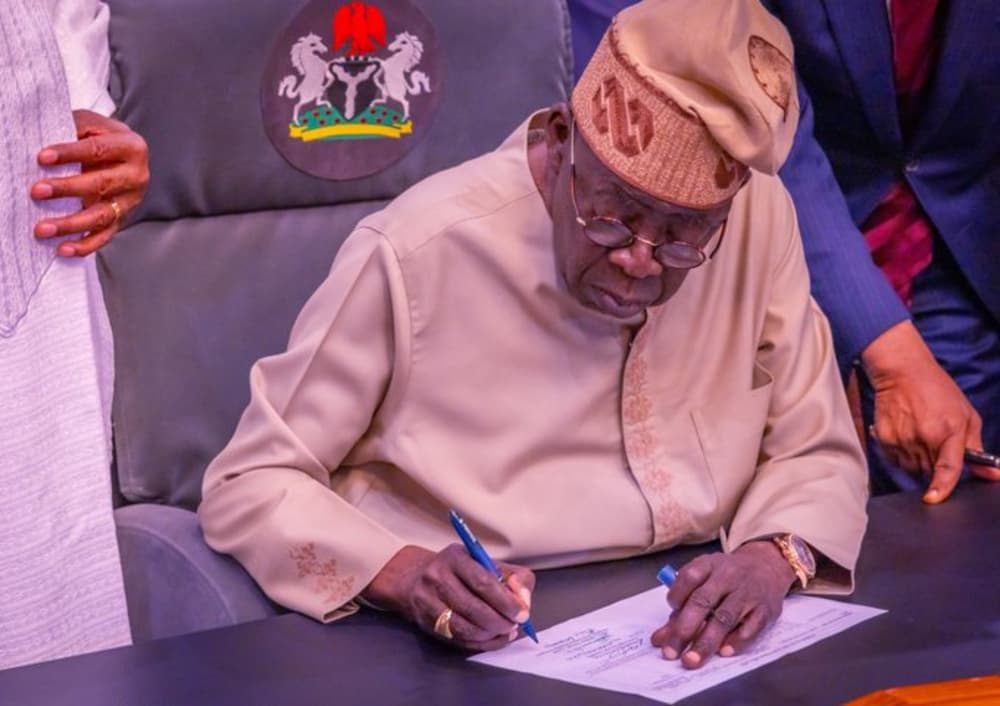
Signed by President Bola Tinubu on February 13, 2026, the order has triggered intense debate within the energy sector. While labor unions and some industry stakeholders expressed concern over the “sudden” shift in the Petroleum Industry Act (PIA) framework, the Presidency maintains that the reform is a non-negotiable step toward constitutional fiscal justice.
To ensure the directive isn’t ignored, the FG has established a high-level Implementation Committee comprising the Minister of Finance, the Attorney-General, and the Minister of State for Petroleum. Their mandate is to oversee the direct remittance process and manage the transition of integrated upstream and midstream operations to a new joint project team.
The Core Defense: “Ending the Layers”
The Federal Government argues that for too long, revenues meant for the three tiers of government have been “trapped” in complex retention mechanisms. The Directive: Executive Order 9 mandates that all Royalty Oil, Tax Oil, Profit Oil, and Profit Gas be paid directly into the Federation Account, bypassing the Nigerian National Petroleum Company Limited (NNPC). The Scrapped Fees: The government has specifically ended the 30% management fee and the 30% Frontier Exploration Fund previously retained by the NNPC. The Justification: “Development suffers when two-thirds of potential remittances are diverted before reaching the people,” a State House official told nuus.ng. “The NNPC must now operate strictly as a commercial enterprise, not a secondary treasury.”
Constitutional Supremacy vs. PIA Provisions
Addressing critics who argue that the Executive Order “chips away” at the validly legislated Petroleum Industry Act of 2021, the Presidency grounded its defense in Section 162(1) of the Constitution. The Legal Stand: The government asserts that the Constitution takes precedence over any statutory provision that allows for the “unjustified” withholding of Federation revenues. The “speculative” Risk: Officials defended the abolition of the Frontier Exploration Fund, noting that keeping billions in “idle cash” for speculative drilling is a luxury Nigeria cannot afford while facing acute pressure on security, education, and healthcare budgets.
“Restoring What Belongs to Nigerians”
President Tinubu, in a personal address defending the move, stated that the reform was driven by a determination to protect every legitimate Naira due to the Federation. “I signed this order to restore what belongs to the Nigerian people,” the President said, highlighting that the move will potentially increase allocations to states and local governments by up to ₦15 trillion annually.
Stakeholder Reactions: A Divided House
The defense comes as various groups take sides: The Supporters: The Petroleum Products Retail Outlets Owners Association of Nigeria (PETROAN) hailed the move as a “bold step toward transparency,” arguing it will compel the NNPC to become more efficiency-focused. The Skeptics: Some analysts warn that removing these funds could weaken the NNPC’s ability to attract long-term equity investors or fund capital-intensive exploration in the North, potentially devaluing the company ahead of any future private placement.
Implementation Committee Activated
To ensure the directive isn’t ignored, the FG has established a high-level Implementation Committee comprising the Minister of Finance, the Attorney-General, and the Minister of State for Petroleum. Their mandate is to oversee the direct remittance process and manage the transition of integrated upstream and midstream operations to a new joint project team.