Countdown to 2026 FIFA World Cup: Germany keen to rekindle legacy, pedigree
By Adegboyega Adeleye
Germany comes to the FIFA World Cup with a weight of history and pedigree unmatched by most nations worldwide. With four titles in their cabinet, they have consistently reinvented themselves across generations from the grit of the post-war era to the fluid dominance of their historic 2014 triumph over Argentina in Brazil.
The German identity has long been defined by resilience, efficiency and an unmatched ability to rise on football’s biggest stage, and they remain one of the most successful and respected teams in the tournament’s history.
However, it has not been a roller-coaster for them in recent years, as consecutive group-stage exits in 2018 and 2022 signalled a decline that shook the foundations of German football, leaving football fans surprised. Ahead of the 2026 FIFA World Cup, Germany arrives with a renewed sense of purpose. They are eager to restore their reputation, rekindle their legacy and pedigree and reassert themselves among the elite.
Germany’s World Cup 2026 Group stage schedule
Group E: Germany, Curaçao, Côte d’Ivoire (Ivory Coast), Ecuador.
14 June 2026: Germany vs. Curaçao – Houston Stadium (Houston).
20 June 2026: Germany vs. Côte d’Ivoire – Toronto Stadium (Toronto).
25 June 2026: Ecuador vs. Germany – New York/New Jersey Stadium (New York/New Jersey).
Qualification path
After recent disappointments at the previous World Cup tournaments, Germany qualified automatically for the 2026 edition through the UEFA pathway by navigating their group with renewed focus.
The Julian Nagelsmann-led side showed a greater attacking intent with a refreshed squad and a willingness to trust younger players.
For them, qualification was not just about reaching the tournament; it was about restoring their identity and pedigree.
Previous World Cup appearances
1934, 1938, 1954, 1958, 1962, 1966, 1970, 1974, 1978, 1982, 1986, 1990, 1994, 1998, 2002, 2006, 2010, 2014, 2018, 2022, 2026
Best finish in the World Cup
Winners (1954, 1974, 1990, 2014)
Head coach for the World Cup

The coach leading Germany to a new era of rebuilding is Julian Nagelsmann.
The 38-year-old, renowned for being tactically flexible and progressive, is a young manager who represents a generational shift in German coaching.
Nagelsmann has been tasked with leading the team through the phase of rebuilding, and the 2026 World Cup is another chance for Germany to announce itself on the world stage. Germany offers the world a squad blending youth and experience, guided by a progressive coach, and driven by the desire to restore pride.
Germany’s World Cup history
Best World Cup: Winners (1954, 1974, 1990, 2014)
Last World Cup: 2022 (Group stage)
First World Cup: 1934 (Third place)
World Cup appearances: 21 (including 2026)
Final appearances: 8 (a record level of consistency)
Biggest World Cup win: Germany 8–0 Saudi Arabia (2002)
Overall World Cup record: Among the strongest in history
Key players at the World Cup
Jamal Musiala
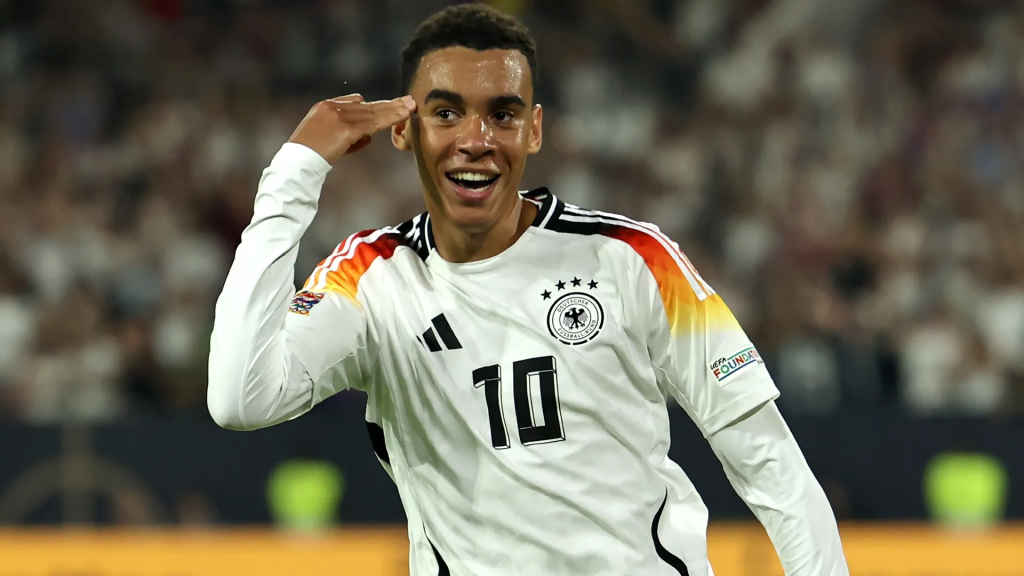
Musiala is Germany’s brightest talent, and he is poised to be Germany’s “magician” and primary creative engine at the 2026 World Cup, acting as the centrepiece of a new, dynamic generation of German talent. He brings creativity, flair and unpredictability to the German team.
At 23 years old, the Bayern Munich playmaker has matured from a promising talent into a world-class attacking force known for his ability to disorganise defences through dribbling and technical brilliance.
Florian Wirtz

Wirtz has matured into a versatile, high-IQ playmaker that coach Julian Nagelsmann has built his attacking system around.
The technically gifted and intelligent player complements Musiala in attack, and his vision and movement between the lines provide a creative edge for Germany to succeed in North America.
Joshua Kimmich
The 31-year-old defender is the captain and leader of the German team. He was appointed as captain following the retirements of Manuel Neuer and Ilkay Gündogan.
Kimmich has stepped into the primary leadership role and has helped the team greatly by dictating tempo, breaking up play and providing credible leadership in midfield.
Antonio Rudiger
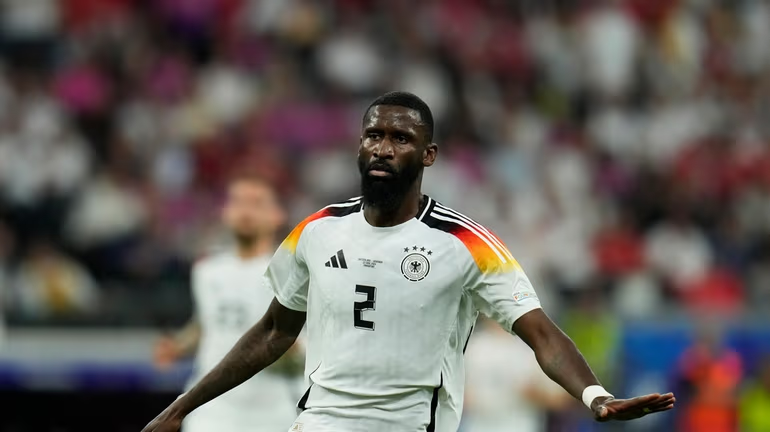
The 33-year-old is a commanding presence in defence, and a crucial, aggressive leader for the 2026 World Cup, bringing elite experience to the young squad.
Rudiger brings aggression, leadership and experience at the highest level, especially at a big stage such as the World Cup.
Kai Havertz
Known for his versatility and ability to play well either in attacking midfield or upfront, Havertz offers flexibility across the attacking line.
He is positioned as a pivotal, versatile forward for Germany at the 2026 World Cup.
Tactics
Under Nagelsmann, Germany is expected to operate in fluid systems such as 4-2-3-1, 4-3-3, or even hybrid formations.
Their approach focuses on high pressing, quick ball circulation, positional rotations, attacking overloads in wide and central areas, and a high level of technical superiority in midfield.
Strengths and Weaknesses
The strength of the team includes having a strong technical midfield, an emerging world-class attacking talent, and tactical flexibility, while their weakness exists in their defensive inconsistency in recent tournaments, pressure from recent failures, and a lack of a traditional elite striker.
Germany’s All-Time Caps leader
Lothar Matthäus – 150 caps
Germany’s All-Time leading scorer
Miroslav Klose – 71 goals
About the country
Population: Approximately 84 million
Capital: Berlin
Known for: Footballing excellence, tactical innovation, strong domestic league (Bundesliga), and consistent tournament success
The post Countdown to 2026 FIFA World Cup: Germany keen to rekindle legacy, pedigree appeared first on Vanguard News.