
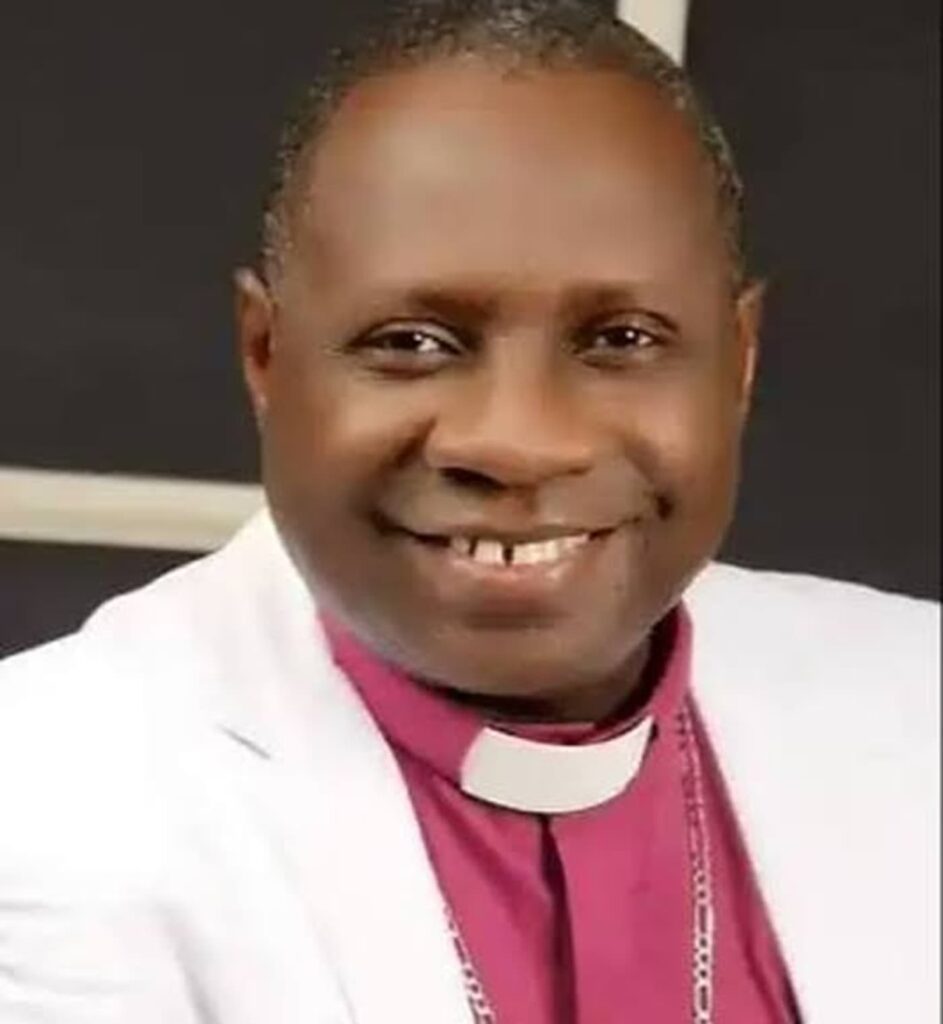
“No More Northern or Southern CAN – Archbishop Okoh
ABUJA — The Christian Association of Nigeria (CAN) has taken a decisive and historic step to stamp out internal friction, officially announcing the abolition of its controversial regional chapters.
In a move designed to unify the body and end years of political jockeying, the national leadership declared on Friday that the entities known as “Northern CAN” and “Southern CAN” no longer exist under the association’s constitution.
With the “regional distractions” now removed, insiders say Archbishop Okoh is positioning the association to speak with a singular, more powerful voice against the rising wave of kidnappings and attacks on clergy in the North Central region.
The directive, signed by CAN President Archbishop Daniel Okoh and General Secretary Apostle Samson Fatokun, was released to newsmen in Abuja following a strategic meeting with the leaders of the five constitutive blocs.
United Front: Catholic Bishops Endorse the Move
Contrary to rumors of a split, the decision was unanimously endorsed by all power blocs, including the Catholic Secretariat of Nigeria (CSN). The communique was jointly backed by key heavyweights, including Most Rev. Lucius Iwejuru Ugorji (President, Catholic Bishops Conference of Nigeria), Rev. Stephen Panya Baba (TEKAN/ECWA), and Bishop Francis Wale Oke (PFN). The leadership stated that regional bodies had become “breeding grounds for unauthorized statements” and political manipulation that threatened the unity of the church.
“One CAN, One Voice”
The official notice warned all stakeholders to cease using the regional titles immediately. “Anyone who portrays himself or herself as Chairman of Northern CAN or Southern CAN does so in violation of the constitutional provisions of the association,” the statement read. “We are returning to a unified command structure to face the serious challenges facing the church.”
The Real Crisis: Insecurity, Not Politics
While resolving its internal structure, CAN remains focused on the external crisis of insecurity. The reorganization comes as the body mobilizes support for the “Nigeria Religious Freedom and Accountability Act of 2026,” a bill currently before the US Congress that seeks to hold perpetrators of religious violence in Nigeria accountable.