
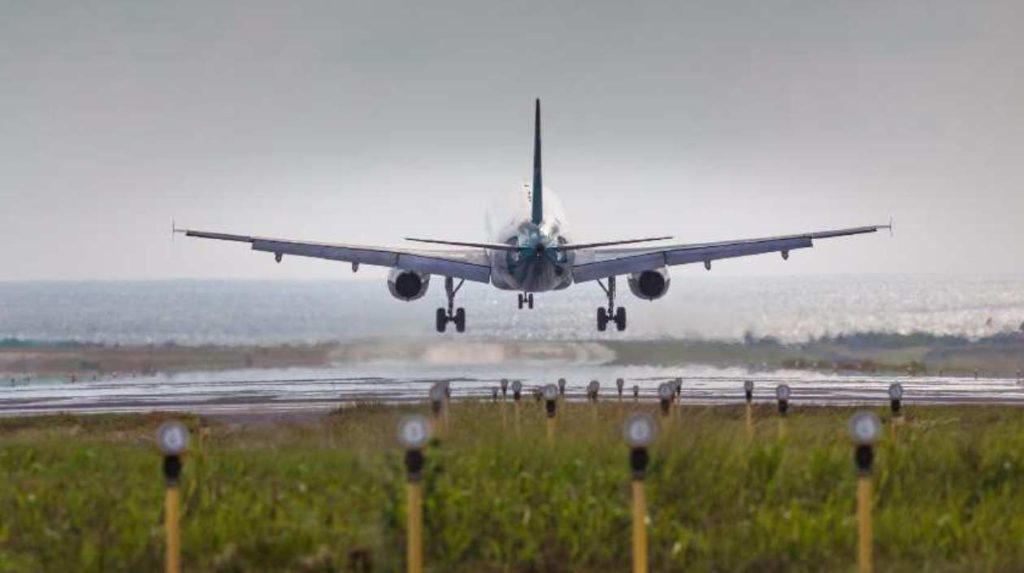
Attention our airliners need
The declaration by the International Air Transport Association (IATA) that Nigerian airlines operate under some of the harshest conditions in the world should serve as a wake-up call to policy makers. It confirms what domestic airline operators have complained about for years: that running an airline business in Nigeria is far more difficult than it ought to be.
Air travel remains indispensable to commerce, investment and national integration. Aviation is a difficult business everywhere, but the operating environment in Nigeria is seriously daunting. It is highly regulated, capital-intensive and vulnerable to economic shocks. Yet Nigerian operators face additional burdens that make survival a daily struggle.
The most obvious is the cost of aviation fuel. Jet A1 accounts for a disproportionately high share of airline operating expenses. Whenever fuel prices rise, airlines are forced to choose between increasing fares and absorbing losses. Neither option is sustainable in a market where consumers are already grappling with declining purchasing power.
The foreign exchange crisis has made matters worse. Virtually every major component of airline operations, from aircraft acquisition and leasing to maintenance, insurance and spare parts procurement, depends on foreign currency. The persistent depreciation of the naira has therefore translated directly into higher operating costs. Airlines earn largely in naira but pay many of their bills in dollars, creating a mismatch that steadily erodes profitability.
Infrastructure shortcomings also continue to weigh heavily on the industry. Nigeria still lacks sufficient world-class aircraft maintenance facilities. As a result, airlines routinely ferry aircraft abroad for major maintenance checks. This practice drains scarce foreign exchange, keeps aircraft out of service for extended periods and increases operational costs. Those costs inevitably impact ticket prices. Another challenge is bird strikes. Aircraft damaged by bird strikes are often grounded for repairs, disrupting schedules and causing significant financial losses. Passengers suffer delays and cancellations, while airlines bear the burden of repairs and lost revenue. It is a problem that reflects weaknesses in airport environmental management and safety infrastructure.
The way forward is neither mysterious nor unattainable. Government must support the establishment of modern maintenance, repair and overhaul facilities within the country. Measures should also be taken to stabilise aviation fuel supply and reduce unnecessary charges that inflate its cost. The aviation insurance burden requires urgent engagement with industry stakeholders to lower premiums through improved safety standards and risk mitigation.
Equally important is the strengthening of airport wildlife control systems to minimise bird-strike incidents. A healthy aviation sector benefits everyone. Airlines become stronger and more competitive. Passengers enjoy more reliable services and potentially lower fares. The economy gains from improved connectivity, investment and job creation. Nigeria possesses one of Africa’s largest aviation markets. We need an operating environment that enables airlines to flourish rather than merely endure. Until that changes, the promise of the sector will remain unfulfilled.
The post Attention our airliners need appeared first on Vanguard News.